
Beyond the Surface: Medical Conditions That Cause Persistent Acne
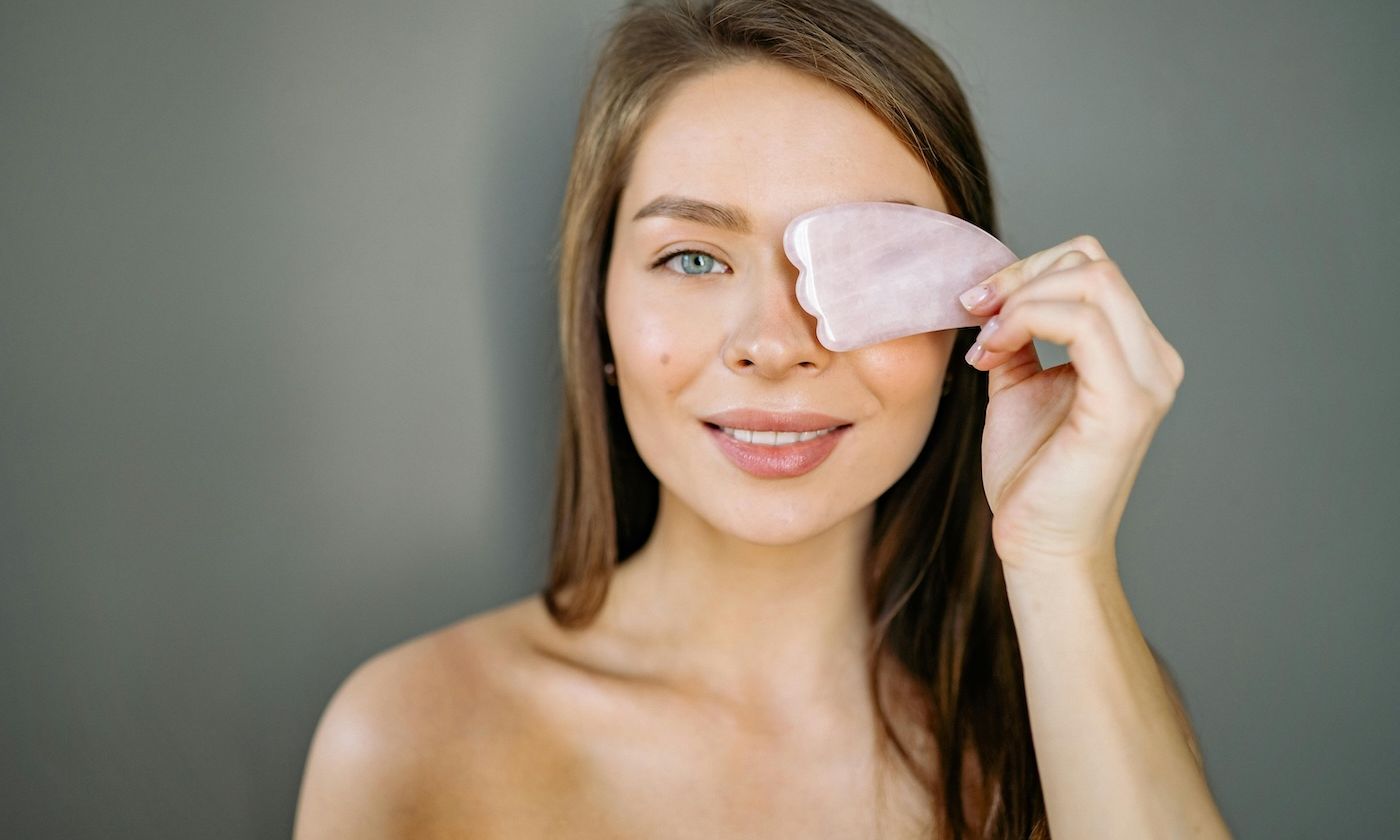
Is your skincare routine failing? For many, persistent breakouts are more than a surface-level issue. Explore the hidden medical triggers behind adult acne—from PCOS to insulin resistance—and learn how your skin might be signaling an underlying hormonal imbalance.
When we think of acne, we usually picture a rite of passage for teenagers. However, for many adults, persistent breakouts aren't just a skin issue—they are a "messenger" for underlying medical conditions.
When acne is a symptom rather than the primary diagnosis, it is often tied to hormonal imbalances or metabolic shifts. Here is a look at the most common medical connections.
1. Polycystic Ovary Syndrome (PCOS)
PCOS is one of the most frequent medical causes of adult acne in women. It involves an imbalance of reproductive hormones, specifically elevated levels of androgens (male-type hormones like testosterone).
+1
- The Connection: High androgen levels overstimulate the sebaceous glands, leading to excess oil production and deep, cystic breakouts.
- The Signs: Acne usually appears along the jawline, chin, and neck, and is often accompanied by irregular periods or thinning hair on the head.
2. Congenital Adrenal Hyperplasia (CAH)
This is a group of genetic disorders that affect the adrenal glands. In "late-onset" or non-classic CAH, the body lacks certain enzymes needed to produce cortisol, causing the adrenal glands to overproduce androgens instead.
+1
- The Connection: Much like PCOS, the excess androgens lead to severe, treatment-resistant acne.
- The Signs: Rapid onset of acne, often appearing in early childhood or suddenly in adulthood, sometimes alongside fatigue.
3. Cushing’s Syndrome
Cushing’s Syndrome occurs when your body is exposed to high levels of the hormone cortisol for a long time—either from internal overproduction or external medication (like long-term prednisone use).
- The Connection: Cortisol can weaken the skin’s immune response and increase oil production.
- The Signs: Acne is typically found on the chest and back, often accompanied by a rounded face or a fatty hump between the shoulders.
4. Metabolic Syndrome & Insulin Resistance
There is a growing body of evidence linking high-glycemic diets and insulin resistance to skin inflammation.
- The Connection: High insulin levels can trigger a cascade of growth factors (like IGF-1) that increase sebum production and skin cell turnover, clogging pores.
- The Signs: Acne that flares up significantly after high-sugar or high-carb meals, often paired with skin tags or darkened patches of skin (acanthosis nigricans).
Comparison Summary
Condition
Primary Trigger
Typical Acne Location
PCOS
High Androgens
Jawline & Chin
Cushing's
High Cortisol
Chest, Back & Shoulders
CAH
Adrenal Imbalance
Widespread / Severe
Insulin Resistance
High IGF-1
Face & Neck
When to See a Doctor
If your acne is "angry," deep, and doesn't respond to over-the-counter benzoyl peroxide or salicylic acid, it might be time to skip the skincare aisle and head to a professional. A dermatologist or endocrinologist can run blood tests to check your hormone levels and treat the cause, not just the symptom.
Would you like me to draft a list of specific questions you can take to your doctor to help investigate a potential hormonal link?
Take Control of Your Skin Health
Stop guessing and start healing by uncovering the root cause today.
Learn more