
Lyme disease
May 15, 2026
Lyme disease – causes, symptoms and treatment
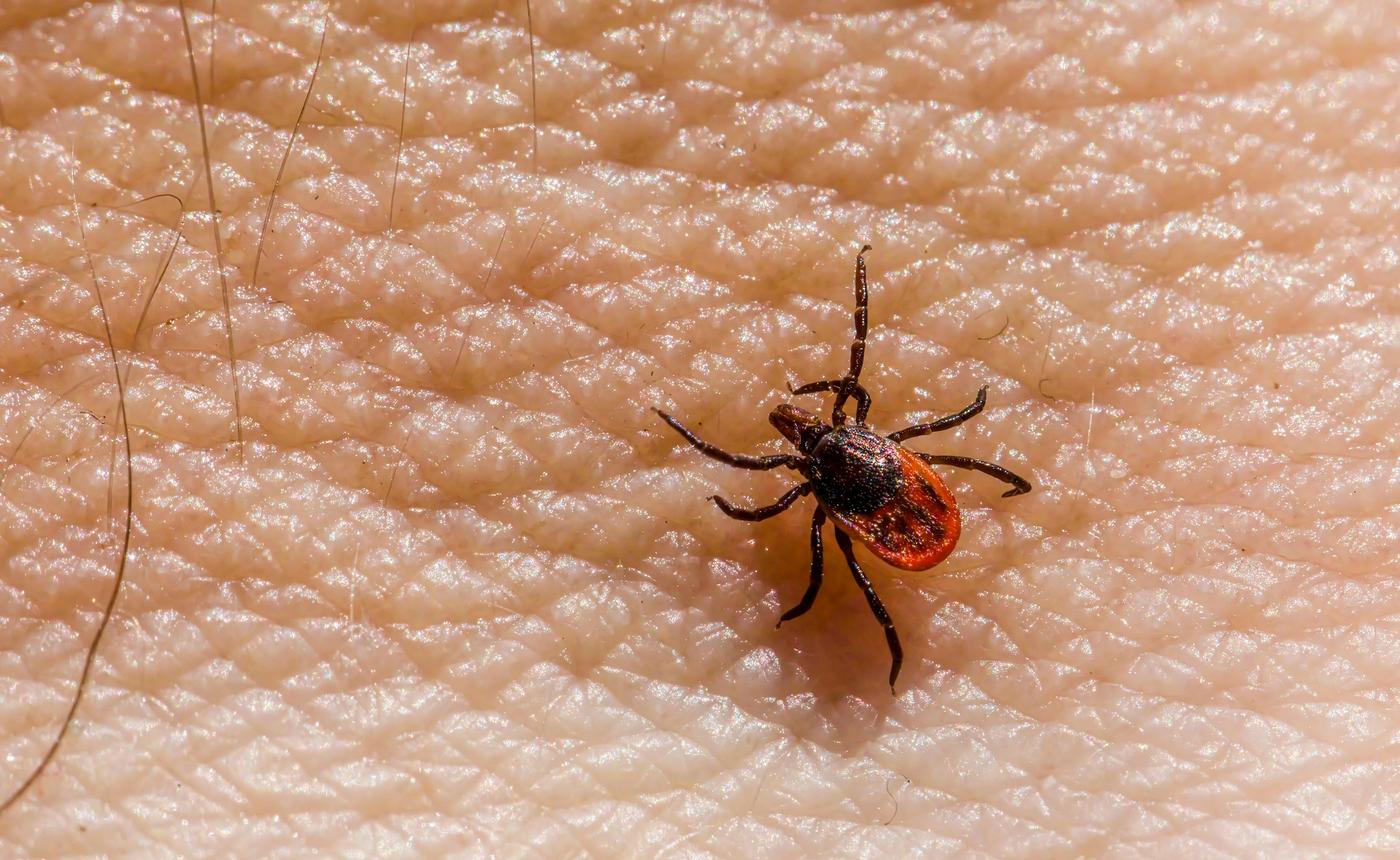
Lyme disease is a bacterial disease that is spread to humans by ticks. The infection can cause a variety of symptoms and, if left untreated, can develop into more serious illnesses. Lyme disease is treated with antibiotics, and although most people experience mild symptoms, Lyme disease should always be treated to avoid serious illness.
Start your form now
Get treatment within 15 minutes without video calls or visits
Do you suspect you have Lyme disease?
If you think you have Lyme disease and need an assessment, you can quickly and securely fill out our health questionnaire about your health and upload a picture of the affected area. You will then receive a medical assessment and possible treatment within 15 minutes.
What is Lyme disease?
Lyme disease is an infection caused by bacteria that is usually transmitted to humans through the bite of infected ticks. The disease can affect different parts of the body and lead to a variety of symptoms, which often vary from person to person. Lyme disease is a very common disease and it is estimated that around 10,000 people in Sweden are affected each year.
Early signs and symptoms of Lyme disease
Most people who are infected with Lyme disease experience mild or no symptoms at all, which is why many people don't even know they have the disease. When Lyme disease causes symptoms, one of the earliest and clearest signs of the disease is a characteristic, ring-shaped redness of the skin at the site where you were bitten by a tick. The redness usually occurs one to four weeks after you were bitten, but it can take even longer. It is usually at least five centimeters in diameter and can gradually grow even larger. Typical of the redness caused by Lyme disease is that the skin in the center becomes lighter again, which makes the rash look like a red ring. A small percentage of those affected by Lyme disease develop multiple skin redness and also fever. These are symptoms of a more widespread infection.
Untreated Lyme disease can lead to sequelae
If the disease is not treated, Lyme disease can spread to different parts of the body and cause more serious problems. If the bacteria reach the nervous system, neuroborreliosis develops, an infection that causes symptoms such as headaches, stiff necks, and radiating pain in the neck, arms, legs, or back. It can also lead to nerve pain, facial paralysis, and meningitis.
Lyme disease can also cause inflammation of the joints (borrelia arthritis), which is usually characterized by swelling in one or more joints, most often the knees. The inflammation can come and go and vary in intensity.
In rare cases, Lyme disease can also affect the heart. The most common symptom is heart rhythm disturbances.
Treatment of Lyme disease
Lyme disease is treated with antibiotics, and most people recover completely after treatment. It can take a long time – sometimes several months – to be free of all symptoms, but the sooner treatment is started, the sooner you, who is sick, can get well again. It is therefore important to seek medical attention if you know or suspect that you have been bitten by a tick and develop symptoms of Lyme disease.
There is no vaccine against Lyme disease and you are not immune if you have had the disease once. If you are bitten by a tick carrying the bacteria, you can become infected again.
Preventive measures
The best way to prevent Lyme disease is to protect yourself from tick bites. You can do this by:
- Use insect repellent when you are in areas where ticks are present.
- Wear clothing that covers your arms and legs in tick-infested areas. Tuck your pant legs into your socks to make it harder for ticks to reach your skin.
- Examine your body carefully after being outdoors in risk areas. Be especially careful in areas where ticks thrive, such as armpits, groin, and knee creases.
- Keep gardens and outdoor environments free of tall grass and leaves where ticks thrive.
If you have been bitten, it usually takes about 24 hours for the Lyme bacteria to be transferred to you from the tick. You reduce the risk of infection if you remove the tick as quickly as possible. Use tweezers or a tick remover and grab the tick as close to the skin as possible. Pull the tick straight out, without twisting, so that the entire tick comes with it.
Lyme disease in children and adults
Lyme disease can affect people of all ages, including children. It is important for parents to be aware of the symptoms and to contact healthcare quickly if you suspect that your child has been bitten by a tick and develops symptoms of Lyme disease. Secondary diseases such as neuroborreliosis and Lyme arthritis can also affect children. Make it a habit to check your child's body for ticks if you have been out in areas where they are found.
Frequently asked questions about Lyme disease
Is Lyme disease transmitted between people?
No, Lyme disease is not transmitted between people. The only known route of transmission is through tick bites.
How long after a tick bite can you get Lyme disease?
The incubation period for Lyme disease varies, but symptoms can occur from a few days to several weeks after the tick bite.
Can you get Lyme disease multiple times?
Yes, you can get Lyme disease multiple times. Having had Lyme disease does not give you immunity against future infections.
How do you know if you have Lyme disease?
If you experience symptoms such as a growing, ring-shaped redness on the skin, fatigue, fever, headache or joint pain after a tick bite, these may be signs of Lyme disease. Contact a doctor for evaluation.
I've been given antibiotics for Lyme disease, but it's not helping?
It can sometimes take many months for symptoms to disappear despite antibiotic treatment. The infection is treated even if the symptoms do not disappear immediately. You will not get better faster by receiving a longer course of antibiotics.
Can you get Lyme disease without redness?
Yes, it is possible to have Lyme disease without the typical redness. Other symptoms such as fatigue, fever, and joint pain may still occur, so it is important to be aware of other signs of the infection.
What is the difference between Lyme disease and TBE?
Both Lyme disease and TBE are tick-borne diseases. Lyme disease is a bacterial infection that can be treated with antibiotics, while TBE is a viral disease that affects the central nervous system. There is no cure for TBE, but there is a vaccine that prevents the disease. Once you have had TBE, you are immune.
Start your form now
Get treatment within 15 minutes without video calls or visits