
Allergy
May 18, 2026
Allergy is a common condition where the immune system overreacts to harmless substances, causing symptoms like sneezing, itching, and breathing problems.
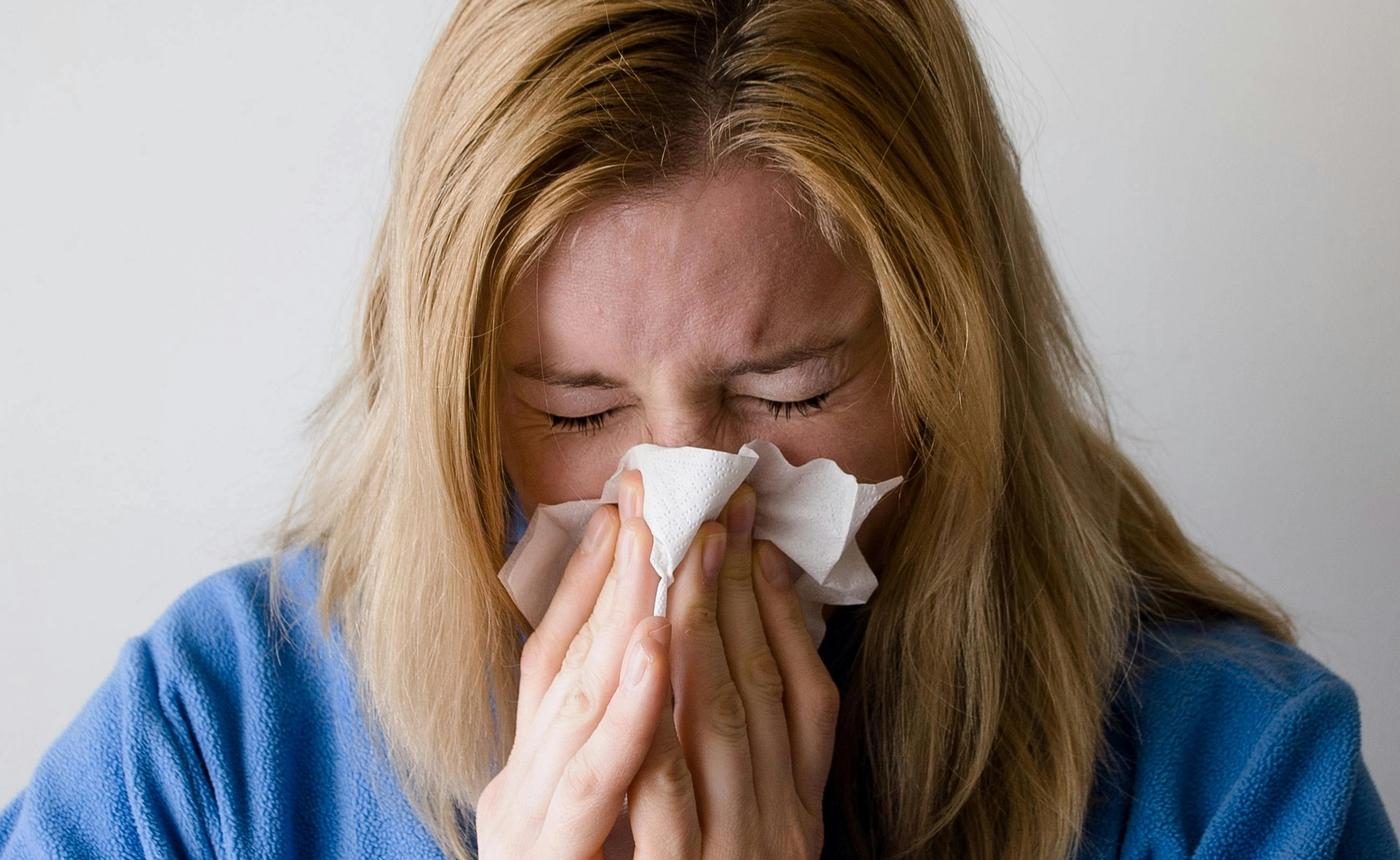
Allergy is one of our most common diseases and it is estimated that between one in three and one in five Swedes suffers from some form of allergy or hypersensitivity. An allergy occurs when the body's immune system mistakenly identifies a harmless substance as harmful and reacts to it, causing symptoms such as sneezing, itching and difficulty breathing. To relieve the symptoms, you should avoid the thing that causes the allergy, but there are also treatments and medications that can help.
Start your form now
Get treatment within 15 minutes without video calls or visits
What is allergy?
Allergy is an overreaction of the body's immune system to substances that are normally harmless, called allergens. Allergens can be, for example, pollen , animal hair, dust, certain foods or chemicals. When a person with an allergy is exposed to an allergen, the immune system reacts by releasing a number of different substances, including histamine. This leads to symptoms such as sneezing, itching, skin rashes or swelling. Allergies vary in severity and can in some cases cause serious reactions such as anaphylactic shock.
Causes of allergy
It is not fully understood why some people develop allergies and others do not. Heredity plays a significant role – a child is more likely to develop allergies if one or both parents have allergies. Allergies can also be caused by environmental factors, such as air pollution and exposure to various allergens.
Common types of allergens
In principle, you can become allergic to almost anything. However, there are certain allergens that are significantly more common than others:
- Pollen from plants such as grass, trees and weeds.
- Skin deposits, hair, saliva and urine from fur animals.
- Foods such as nuts, milk, eggs, and shellfish.
- Insect bites or stings, especially from bees and wasps.
- Medications, including certain types of antibiotics.
- Contact allergens such as nickel, latex and certain chemicals.
Symptoms of allergy
Allergies can cause a variety of symptoms that vary depending on what is causing the symptoms. Common symptoms include sneezing, runny or stuffy nose, itchy eyes, throat or skin, rash or hives, cough and difficulty breathing. In the case of food allergies, symptoms may include nausea, stomach pain, vomiting or diarrhoea. In young children, food allergies can also lead to loss of appetite and weight loss. The severity and duration of symptoms can vary from mild and short-lived to severe and persistent.
Anaphylactic shock
Anaphylactic shock is a serious and potentially life-threatening allergic reaction. Symptoms occur rapidly after exposure to the allergen and include severe hives, swelling of the face and throat, which can lead to difficulty breathing, low blood pressure, dizziness and loss of consciousness. Anaphylactic shock requires emergency care.
Allergy investigation and diagnosis
If you don't know what's causing your allergic symptoms, you can have an allergy test. An allergy test starts with a doctor collecting information about your symptoms, when they occur, what you suspect is the cause, and whether there are any known allergies in your close family. After that, you may have a skin prick test, where small amounts of different allergens are applied to the skin to see if any reaction occurs. Blood tests may also be taken to see if you have antibodies to a substance. Sometimes, additional tests, such as a breath test or a skin challenge test, may be needed to confirm the diagnosis. The test is individualized and guided by your symptoms and needs.
Treatment and management of allergies
Treatment for allergies focuses primarily on reducing or eliminating exposure to the allergen and relieving symptoms. Avoiding allergens may require making certain lifestyle changes or adjusting your environment, such as being extra careful to keep your home free of dust or avoiding certain foods.
Pollen can be even more difficult to avoid. To manage common symptoms such as sneezing, runny nose, and itching, over-the-counter antihistamine tablets are often used. There are also nasal sprays and eye drops that can relieve nasal and eye discomfort. If you have severe symptoms, we at Recetas Medicas can prescribe other medications for you. Fill out our health form to get a medical assessment within 15 minutes.
Preventive measures for allergies
To reduce the discomfort of an allergy, you can take several measures:
- Avoid the allergens you are sensitive to
- Clean your home frequently to reduce the amount of dust and mites
- Use air purifiers to reduce allergens in the home
- Keep track of pollen reports, for example via pollenkoll.se
- Keep windows closed during pollen season
- Choose hypoallergenic products
- Change bedding often
Get help with your allergy symptoms
Allergies can be a major stressor in everyday life, especially if you are allergic to something that is difficult to avoid, but with the right knowledge and treatment, your symptoms can become easier to manage. Understanding of allergies has increased and today there are several effective treatments and medications that can help you relieve your symptoms. Seek medical attention if you experience major discomfort or if you suspect you have an allergy but do not know what is causing it. Always contact emergency medical care by calling 112 if you or someone close to you shows signs of anaphylactic shock.
Start your form now
Get treatment within 15 minutes without video calls or visits