Grass allergy - causes, symptoms and treatment
May 28, 2026
Grass allergy is a common form of pollen allergy that affects people of all ages. It is caused by pollen from different types of grass that are dispersed in the air, especially during spring and summer. With over-the-counter medicines, you can relieve the symptoms. If...

Grass allergy is a common form of pollen allergy that affects people of all ages. It is caused by pollen from different types of grass that are dispersed in the air, especially during spring and summer. With over-the-counter medicines, you can relieve the symptoms. If you have severe complaints, allergy vaccination may be an option.
Causes of grass allergy
Grass allergy occurs when the body's immune system mistakenly identifies the harmless pollen particles from grass as a threat and forms antibodies against them. When you inhale grass pollen, the body defends itself by releasing, among other things, histamine, which causes various allergic symptoms.
Why some people develop grass allergies and others do not is not fully understood, but there are several factors that can contribute to developing this type of allergy. Heredity plays an important role - if close family members have allergies, the risk of getting them increases. Environmental factors are also important. For example, people who live in areas with high concentrations of grass pollen may be more likely to develop allergies to them. Lifestyle factors, such as smoking or high stress, and exposure to certain environmental pollutants can also increase sensitivity.
Grass allergy can develop at any age, but it is most common to start in childhood or early adulthood. Some people may find that their symptoms change or disappear over time, while others may have the allergy throughout their lives.
Symptoms of grass allergy
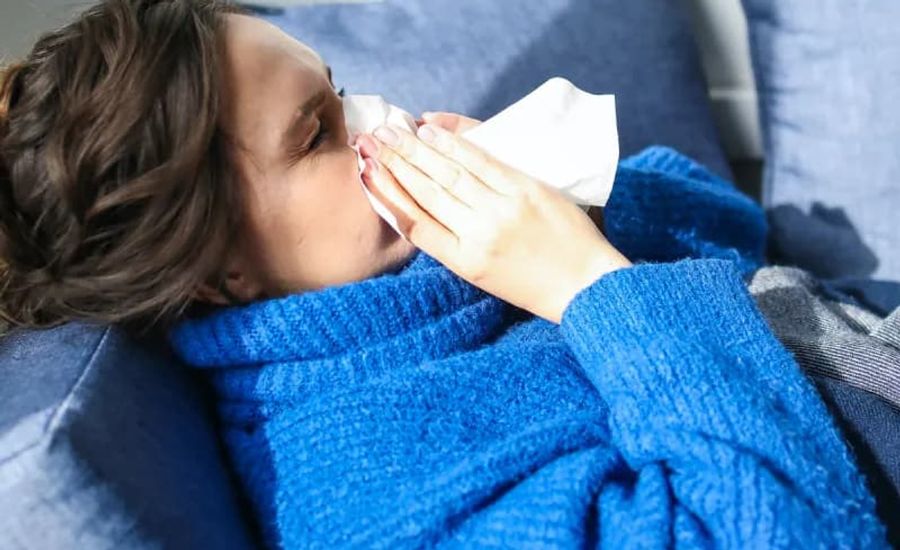
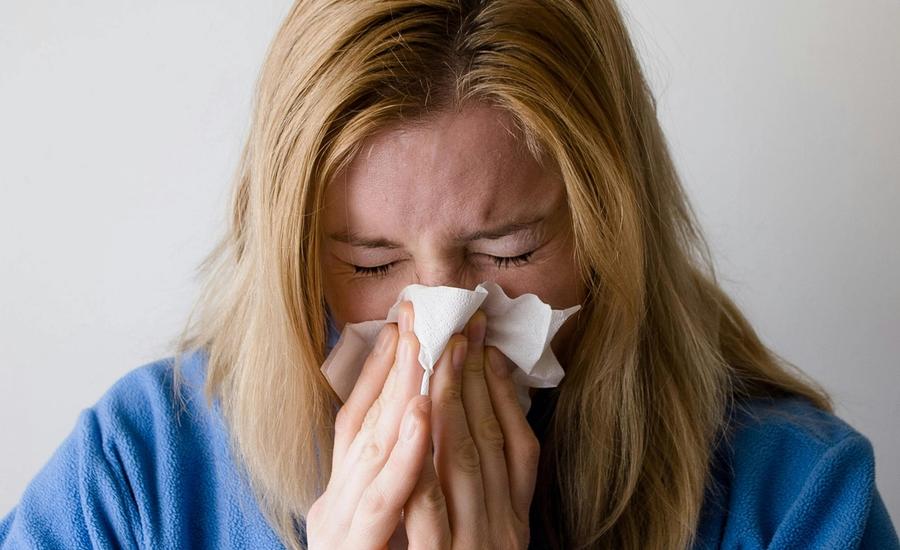
The symptoms of grass allergy are similar to other types of pollen allergies. Some of the most common symptoms are sneezing, runny or stuffy nose, itchy and watery eyes and itchy nose and throat. In some people, grass allergy can also lead to asthma-like symptoms such as shortness of breath and wheezing. It is not uncommon to experience fatigue and headaches as a result of allergic reactions. Grass allergy can also cause a rash on the skin. In children, grass allergy can manifest itself through similar symptoms, but it can also affect their sleep and cause difficulty concentrating.
Cross allergy related to grass allergy
People with grass allergies can also experience cross-allergy, where they become allergic to certain foods that are related to the grass pollen they are allergic to. This is due to similarities in the protein structure between the grass pollen and the food in question. The symptoms of cross allergy can appear as itching in the mouth, swelling of the lips, tongue and throat, as well as stomach upset after eating certain fruits, vegetables or nuts. It is relatively uncommon to develop cross allergy in connection with grass allergy, but it does occur.
Treatment of grass allergy
The treatment of grass allergy is mainly aimed at relieving the symptoms and improving the quality of life for those affected. There are over-the-counter medicines at the pharmacy that can help with mild ailments. Antihistamine tablets are a common form of treatment that helps reduce allergic reactions. Nasal sprays with cortisone can also be effective in reducing inflammation and irritation in the nose. Eye drops can be used to relieve irritated and itchy eyes.
If you experience more severe symptoms and over-the-counter medicines do not help, you can contact us at Recetas Medicas. With us, you get advice on how to relieve the discomfort and, if necessary, we can also prescribe medication. Fill out our health form and you will receive an answer within 15 minutes.
For those who experience really severe symptoms, so-called allergy vaccination can be an option. This treatment method involves regularly taking small doses of the allergen to gradually build up a tolerance to it.
The grass pollen season in Sweden
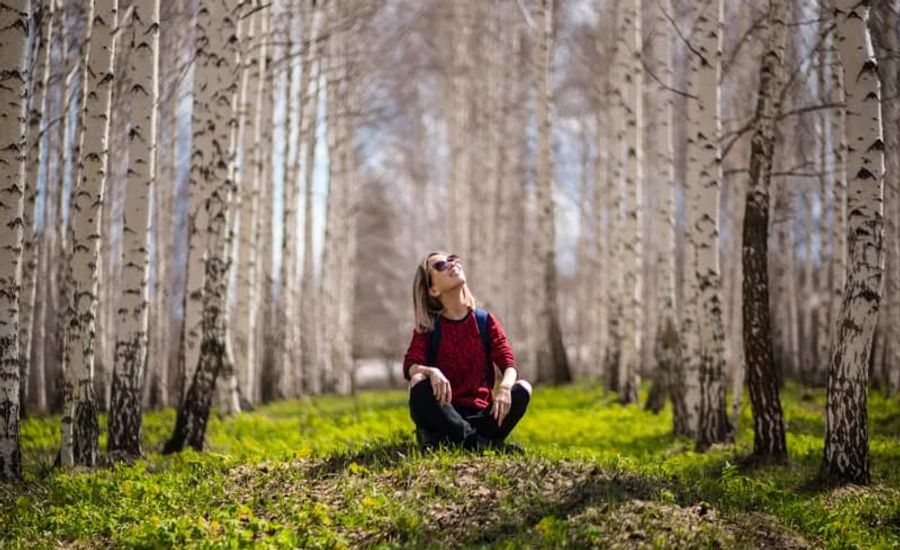
In Sweden, the grass pollen season usually lasts from May to September. Pollen levels are at their highest during the summer, but you can experience discomfort right into October.
The pollen season is affected by different weather conditions such as temperature, precipitation and wind, which means that your problems can vary from year to year and even during the same season. During hot and dry periods, pollen levels are generally higher, while rain helps clear the air of pollen. In addition, pollen levels can vary from day to day and even during different times of the day. At Pollenkoll.se you can see current pollen forecasts for the entire country.
What can I do myself?
There are several steps you can take to relieve the symptoms of grass allergy. Staying indoors on days when pollen levels are high can help reduce exposure. If you must cut the grass, it is best to do it in the morning when the grass is damp with dew that binds the pollen particles. Avoid hanging laundry outdoors during pollen season. When you get home, it can be good to change your clothes and wash your hands and face to remove pollen. Keeping windows closed and using indoor air purifiers can also help.
Get grass allergy prescriptions online
Grass allergy is a common allergic reaction that can affect both adults and children. If you are bothered by your grass allergy and need more effective treatment than over-the-counter medicines, you can get help from us at Recetas Medicas. By filling out our online health form, you will quickly get in touch with a doctor who can assess your symptoms and prescribe the appropriate medication. With the right treatment, you can manage your grass allergy more effectively and enjoy the summer without unnecessary discomfort.