Pollen allergy: symptoms, diagnosis and treatment
May 28, 2026
Pollen allergy, which is also called hay fever, is an allergic reaction that occurs when the body's immune system overreacts to harmless substances such as birch and grass pollen. During this reaction, histamine and other...

Pollen allergy - Facts & Advice
What is pollen allergy?
Pollen allergy, which is also called hay fever, is an allergic reaction that occurs when the body's immune system overreacts to harmless substances such as birch and grass pollen. During this reaction, among other things, histamine and other substances are released to fight the pollen, which causes a variety of symptoms. The medical term for pollen allergy is allergic rhinitis.
Common symptoms of pollen allergy
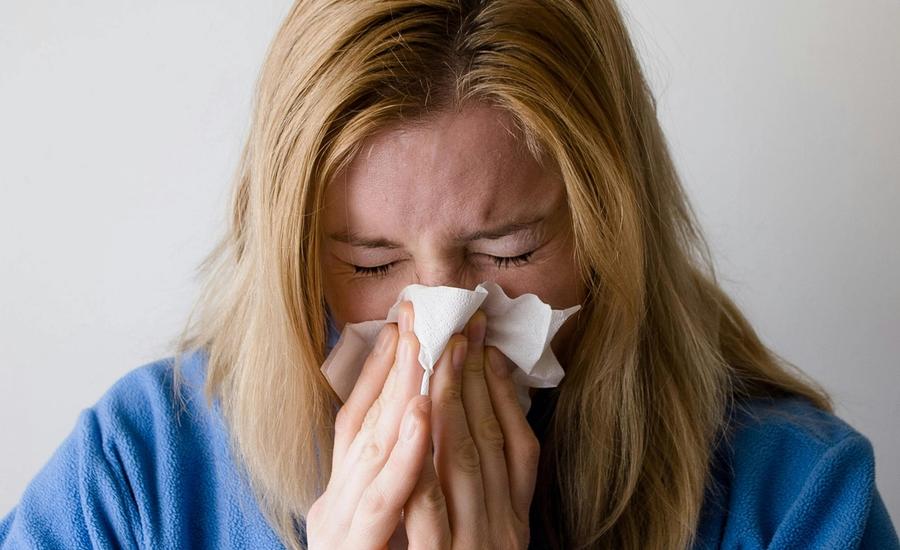
Common symptoms of pollen allergy include:
- Runny nose or nasal congestion
- Sneezing
- That you get irritation in the eyes as they may itch and run.
- That you get tired.
- Some also get headaches, increased need for sleep and breathing difficulties. The problems vary – depending on how much pollen is in the air. You can see pollen reports at Pollenkoll.se.
Cold or pollen allergy?
The symptoms of pollen allergy can be similar to those of colds and other respiratory infections, but they tend to last longer and usually do not include fever or body aches. In addition, the symptoms of pollen allergy tend to appear in the spring, summer or autumn. The pollen also does not cause a sore throat or thick yellowish runny nose.
Causes of pollen allergy
The cause of pollen allergy is an immune reaction that occurs when the body reacts to substances that it would normally tolerate. Heredity is an important factor, but there is no clear explanation as to why more and more people suffer from allergies. The risk of being affected increases if your genetic parents or siblings have asthma or allergies. Most often, pollen allergy usually breaks out in adolescence, where for some it becomes milder in adulthood and for others worse. Pollen allergy occurs when the immune system reacts to substances that are in the air during the pollen season, which leads to the release of various substances, including histamine, and you then get the symptoms we mentioned earlier.
How do I know if I have pollen? – Signs of pollen allergy
If you have recurring symptoms around the same time of year, you can be pretty sure that you are allergic to pollen.
- If you have symptoms at leaf-splitting time, it is suspected that you are allergic to birch.
- If you have symptoms during the height of summer, it is suspected that you are allergic to grass.
- If you have symptoms during late summer, it is suspected that you are allergic to gray bee nests.
- If you carry out a spot test and the spot test result is consistent with your complaints during the season, that is enough for allergy diagnostics.
Cross allergy is common in pollen allergy
If you suffer from pollen allergies, it is important to also be aware of cross allergies, which affect two out of three people with pollen allergies. Cross-allergy means that you can experience allergic symptoms to substances that contain similar allergens to those that cause your pollen allergy. For example, a person allergic to birch pollen may also experience allergic reactions to nuts or apples. By being aware of cross allergy, you can take appropriate precautions to avoid allergic reactions and improve your quality of life during pollen season. Read more about cross allergy here.
Treatment of pollen allergy
The treatment of pollen allergy consists of different parts, partly that you avoid the allergen as far as possible and, depending on your symptoms, take medicines that relieve them. For the vast majority of people, over-the-counter antihistamine tablets usually help with pollen allergies. If you have symptoms from the nose and eyes, there are also nasal sprays and eye drops that can relieve your discomfort. It is important that you take these medicines for a longer period of time and in good time to relieve your symptoms.
Diagnosis and medicines for severe problems with pollen allergy
If you have severe problems with your pollen allergy, you can undergo an allergy examination to get a correct diagnosis. During the examination, the doctor will go over your symptoms and your medical history. To determine exactly what you are allergic to, the doctor may recommend a spot test. Such a test involves applying a small amount of different allergens to the skin, usually on the forearm, to see which ones cause a reaction. You may also be given a blood sample so that the doctor can measure the level of IgE antibodies, which may indicate an allergic reaction. Based on the results of these tests, your doctor can advise you on appropriate measures to manage your allergy. There are several medications that can help. The doctor can prescribe antihistamines, nasal sprays with corticosteroids or eye drops that effectively relieve the symptoms. For those with particularly severe symptoms, allergy vaccination, or immunotherapy, may be an option. It involves injecting weak doses of the allergen into the body over a long period of time in order for it to gradually reduce sensitivity to it and thus alleviate your problems in the long term.
With us at Recetas Medicas, you can get quick help with the treatment of pollen allergy. Fill out our health form and you will receive an answer within 15 minutes.
Nasal spray for pollen allergy
If you suffer from nasal problems due to pollen allergy and have been prescribed a nasal spray, it is important to use it correctly to get the best possible effect. To use the nasal spray correctly, tilt your head forward and point the nozzle diagonally outward from the nostril. Then spray once or twice depending on the medicine, in each nostril with one hand at a time, first in the left nostril with the right hand and then in the right nostril with the left hand. By following these simple instructions, you can ensure that the nasal spray reaches the correct area of the nose and should provide relief for your allergy symptoms.
Pollen season and pollen levels for different species
The pollen season in Sweden extends from early spring to late autumn, and different types of pollen dominate at different times. The season begins in the south of Sweden, with hazel and alder that can bloom as early as February or March, and reaches the northern parts of the country a few weeks later. Birch pollen makes its entrance from April to June. Allergy to birch pollen is the most common form of allergy in Sweden.
During the summer, grass pollen takes hold, with the highest concentration on hot and dry days. Grass pollen is particularly challenging for allergy sufferers because there are many different types of grass that flower from May to September, which means that the period of allergic symptoms can be long.
During late summer and early autumn, mugwort blooms. Mugwort grows in large parts of the country and marks the end of the pollen season.
The weather has a great influence on the pollen levels. On dry days, the concentration of pollen in the air is high, while rain reduces the levels temporarily. By keeping track of the daily pollen report where you live, you can adjust your activities and treatment during the most intense periods of the pollen season.
What can I do myself about pollen?
General tips to alleviate your pollen problems:
- Do not weather until evening or when it has rained.
- Do not hang laundry or bedding outside during the season.
- Avoid mowing the lawn.
- Avoid playing and sports on the lawn.
- Change your clothes after you've been out and come home.
- Also shower your hair.
- Do not have close contact with fur animals that have been outside during days with pollen.
- Saline nasal rinses can relieve your discomfort.
- Tobacco smoke can worsen pollen symptoms, try to avoid tobacco smoke.
- Change the bedding often and keep the door to the bedroom closed.
- Vacuum and wet wipe often.
- Keep windows and doors closed during the day.
Last updated: 2024-03-07