Acne - causes, symptoms and treatment
May 28, 2026
With us at Recetas Medicas, you can get quick help for your acne today. All you need to do is fill out our health form and upload photos of the affected area and you will receive a medical assessment and prescription for treatment already...
Get quick help for your acne
With us at Recetas Medicas, you can get quick help for your acne today. All you need to do is fill out our health form and upload photos of the affected area and you will receive a medical assessment and prescription for treatment today.
What is acne?
Acne is a skin disease characterized by the appearance of pimples, blackheads, and in some cases, deeper skin inflammations such as cysts and nodules. It is a very common condition, especially among teenagers and young adults, but it can affect people of any age. Acne occurs mainly on the face, back and chest, where there are the most sebaceous glands.
Causes of acne - Why do you get pimples?
Acne occurs when the sebaceous glands in the skin become overactive and produce too much sebum, an oily substance that helps keep the skin supple. This overproduction can cause the pores in the skin to become clogged, creating a favorable environment for bacteria to grow. When the bacteria grow in the clogged pores, it leads to an inflammation and blackheads or pimples form.
Several factors can contribute to the development of acne. Hormonal changes, especially during puberty, can increase sebum production. The vast majority of young people have problems with acne at some point. Hormonal changes related to the menstrual cycle, pregnancy, or the use of certain medications (such as birth control pills) can also play a role. For example, it is not unusual for women to continue to have acne associated with menstruation well into adulthood. Acne is partly hereditary, so if your parents had a lot of trouble with acne in their teens, you are more likely to get it too.
Symptoms
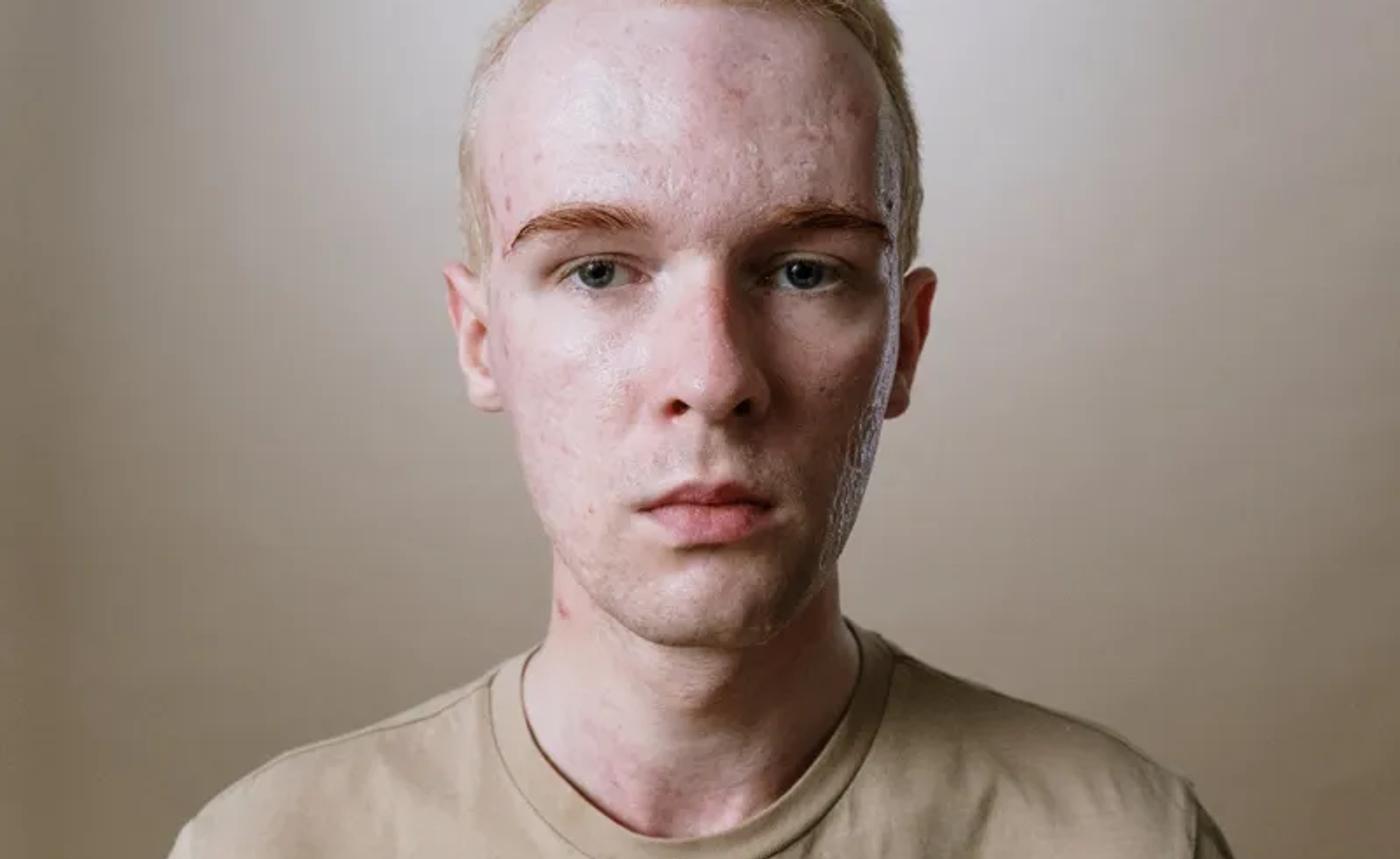
The symptoms of acne vary in severity. Mild to moderate acne is often characterized by white or black blackheads and red or yellow raised blemishes, while more severe cases can cause painful, boil-like rashes and nodules under the skin that can leave permanent scars. Many people who suffer from acne also find it troublesome and that their self-image can be affected. Today, there is good help to get if you have major problems and feel bad about your acne.
Treatment of acne
The treatment is adapted to how severe your acne is and what type of acne it is. Milder acne often goes away on its own and can be treated on your own at home to relieve the discomfort. A good first step is to wash your face with products suitable for oily and acne-prone skin. If that doesn't help, there are over-the-counter medicines in pharmacies that you can try.
If you have moderate acne, there are also prescription medications that you can get if you haven't seen any improvement with over-the-counter medications. Please note, however, that in the case of more severe acne, it is appropriate to skip certain steps, such as over-the-counter medicines. Since there are several types of acne, it is important that your acne is treated properly, especially if you have pimples that turn into large cysts under the skin. Without treatment, they can cause permanent scarring.
Hormonal acne can sometimes be relieved by birth control pills. Talk to a doctor or gynecologist about which contraceptive method is best for you.
Get prescriptions for acne medication online
You who are bothered by acne can get quick help here at Recetas Medicas. With us, you can get an assessment from a doctor within 15 minutes and we can also print a prescription for you if necessary. Fill out our health form for fast treatment.
Self-care and preventive treatment
It is not possible to completely prevent acne, as hormones, your skin type and genetics all play a role. However, there are several things you can do to reduce your discomfort on your own.
- Clean gently: Wash your face once or twice a day with a gentle cleansing product adapted for acne-prone skin. Do not wash more often than that - it can do more harm than good.
- Don't squeeze pimples: Poking and squeezing pimples can worsen the inflammation and increase the risk of scarring.
- Use oil-free products: Avoid greasy and oily creams and products that can clog pores and worsen acne.
- Sunbathe carefully: The sun can actually reduce inflammation in the skin and temporarily relieve your acne. But it is important to sunbathe carefully and not burn yourself. Sweat and greasy sunscreens can also make acne worse, so don't sunbathe for too long. Acne scars can darken in the sun and take longer to fade.
When should you seek care?
If you have very severe acne, large painful nodules under the skin or if your symptoms do not improve with over-the-counter medicines, you should contact your healthcare provider. Most of the time, no sampling is needed when you seek treatment for acne. It is often enough for the doctor to examine your skin and for you to answer questions.
There are different types of treatments for those of you who have previously had troublesome acne that caused scarring. The treatments are done at skin clinics and you usually have to pay for them yourself. It may take many treatment sessions to see improvement.