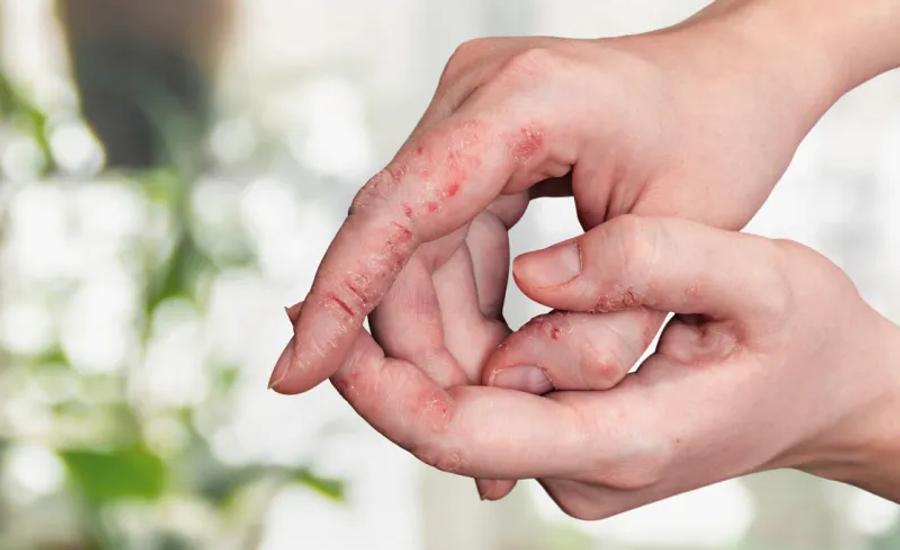
Nail fungus - symptoms, causes and treatment
May 28, 2026
Nail fungus is a common condition that can affect both toenails and fingernails. With nail fungus, the appearance of the nails changes. They can become thick, brittle and discolored. Here we go through common symptoms of nail fungus, what causes it and which...
Nail fungus - Symptoms, causes and treatment | Recetas Medicas
Nail fungus is a common condition that can affect both toenails and fingernails. With nail fungus, the appearance of the nails changes. They can become thick, brittle and discolored. Here we review common symptoms of nail fungus, what causes it and what treatment options are available.
What is nail fungus?
Nail fungus is most often caused by fungi of the filamentous type (dermatophytes), but yeasts and molds can also be behind the infection. The fungus thrives in moist, warm environments, which means that it is usually the toenails that are affected. In most cases, nail fungus is caused by athlete's foot that spreads to one or more nails. Nail fungus on the fingers is less common than on the toes, but it does occur.
Symptoms of nail fungus
Nail fungus rarely affects all fingers or toes. It is most common to get symptoms on the big toe and little toe. The first signs of nail fungus can be difficult to notice. Symptoms often develop gradually and may begin as white or yellow spots on the nail, which are soon followed by other more noticeable changes. The nail becomes yellow and brittle and the surface may begin to peel. After that, the nail becomes thick and deformed. In some cases, it can fall off completely.
For most people, nail fungus does not cause any problems other than changing the appearance of the nail. However, if the nail becomes very thick and deformed, you may experience nail pressure or pain and discomfort if you wear shoes that press against the nail. It can also hurt if the entire nail has fallen off.
Why do you get nail fungus?
Anyone can get nail fungus, but there are certain factors that can increase the risk:
- Age: The risk of nail fungus increases with age, partly due to slower nail growth and reduced blood circulation.
- Heavy sweating: Profuse sweating of the feet promotes the growth of the fungus.
- Walking barefoot in public spaces: Fungal spores are easily spread in moist environments such as changing rooms and bathhouses.
- Nail damage: Damage to the nail or surrounding skin makes it easier for the fungus to take hold.
- Tight shoes and socks: The fungus thrives in warm and humid environments.
Treatment of nail fungus
Treatment is not always necessary for nail fungus, especially if the infection does not cause any direct problems other than the nail changing its appearance. For many, the nail fungus may decrease in size or even disappear on its own over time. For those who still want to treat the condition, there are several options. A common first choice is to use over-the-counter medicated nail polish. These varnishes help to protect the nail against further infections and damage and contain substances that fight the fungus. If you have more extensive problems, doctors can prescribe prescription drugs, either as a special nail polish or in tablet form. The treatment requires patience and persistence, sometimes up to a year, to completely eradicate the fungal infection and restore the health of the nail. Even if you get rid of your problems, there is a risk that the fungus will come back.
Preventive measures
To reduce the risk of getting nail fungus, there are several preventive measures you can take:
- Maintain good hygiene: Wash your feet with soap and water every day.
Maintain good hygiene: Wash your feet with soap and water every day.
- Keep feet and hands dry: Fungi thrive in moist environments, so dry feet and hands thoroughly after showering or bathing. Feel free to air your feet when you have the opportunity.
Keep feet and hands dry: Fungi thrive in moist environments, so dry feet and hands thoroughly after showering or bathing. Feel free to air your feet when you have the opportunity.
- Use shoes and socks that breathe: Choose shoes and socks that allow your feet to breathe. Change socks every day and after exercise or if your feet become sweaty.
Use shoes and socks that breathe: Choose shoes and socks that allow your feet to breathe. Change socks every day and after exercise or if your feet become sweaty.
- Wash socks at 60 degrees: Always wash used socks at at least 60 degrees so that the fungal spores die.
Wash socks at 60 degrees: Always wash used socks at at least 60 degrees so that the fungal spores die.
- Avoid going barefoot in public places: Use flip-flops or bathing shoes in changing rooms and bathhouses to avoid direct contact with floors where fungi may be present.
Avoid going barefoot in public places: Use flip-flops or bathing shoes in changing rooms and bathhouses to avoid direct contact with floors where fungi may be present.
By following these tips, you can reduce the risk of developing nail fungus and keep your feet and nails healthy.
Is nail fungus contagious?
Yes, nail fungus can be contagious. It is spread through direct contact with infected nails or through indirect contact with objects or surfaces that carry fungal spores, such as changing room floors, bathroom rugs, shoes, socks and nail clippers. The risk of transmitting or getting nail fungus increases in moist and warm environments where the fungi thrive best. Although the risk of transmission from person to person is lower compared to other types of fungal infections, such as athlete's foot, it is important to maintain good foot and nail hygiene to reduce the risk of spreading the infection to others.
Frequently asked questions
Can you get rid of nail fungus for a long time?
Yes, even long-term nail fungus can be treated and in many cases completely cured. However, the treatment may require longer-term use of prescription drugs. It is important to follow the treatment plan carefully and be patient, as it may take time to get rid of the fungus.
Is there a home remedy for nail fungus?
Although there are many home remedies that claim to treat nail fungus, such as bathing the nail with vinegar or tea tree oil, they do not have any scientifically proven effect.
Nail psoriasis or nail fungus?
Nail psoriasis and nail fungus can have similar symptoms, such as thickening and discoloration of the nail. An important difference, however, is that nail psoriasis can lead to other symptoms of psoriasis on the body, while nail fungus rarely affects areas other than the nails. A doctor can help make the correct diagnosis.
What does nail fungus look like?
Nail fungus is characterized by yellow, thick and brittle nails. The affected nail may also be deformed. All nails on a hand or foot are rarely affected.