Contact eczema: causes, symptoms and treatment
May 28, 2026
Contact dermatitis is a common skin condition that affects people of all age groups and can cause significant discomfort. Contact eczema is a reaction to direct or indirect contact with various substances and can occur in various forms. It is usual...
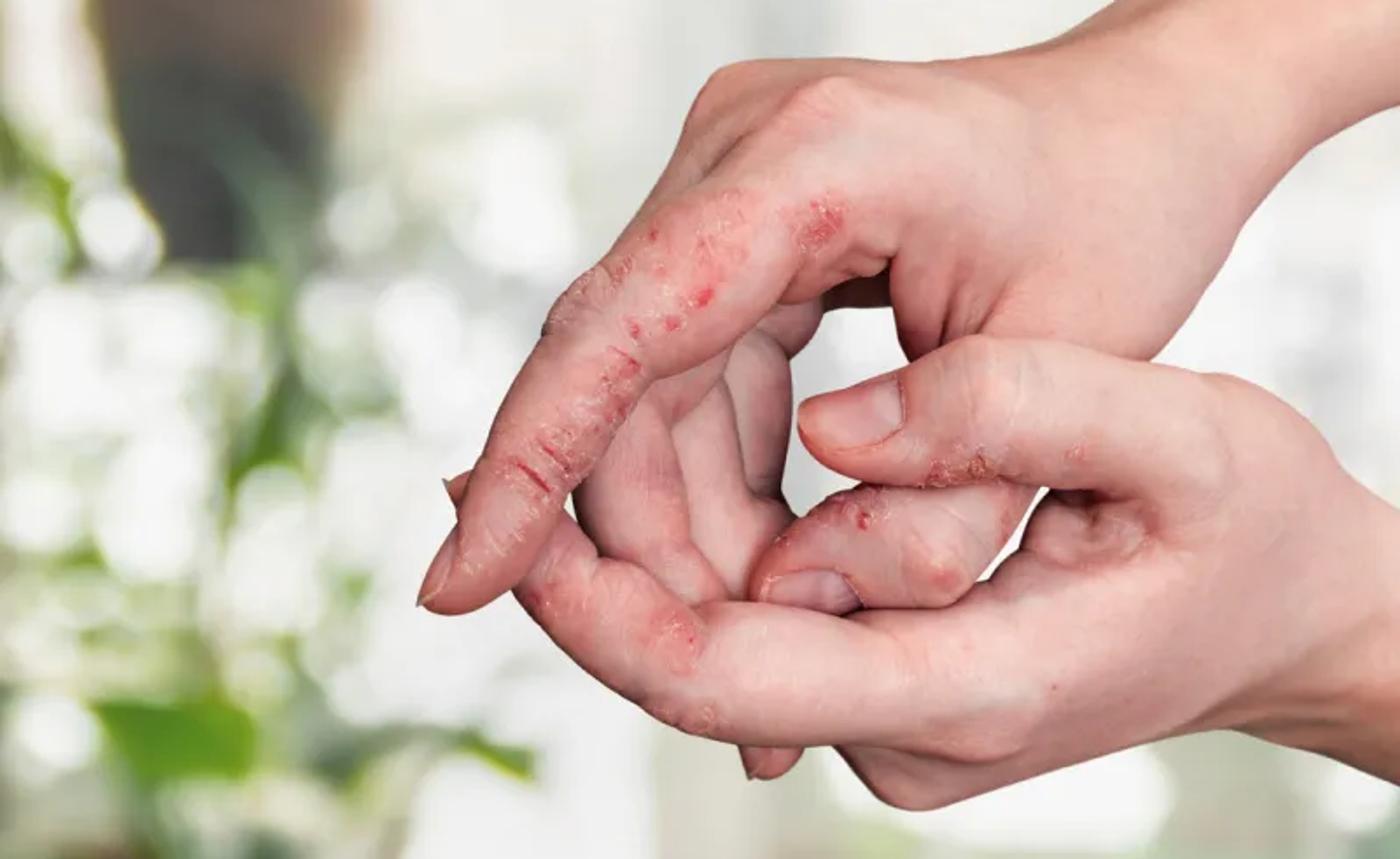
Contact Eczema - Symptoms, Treatment and Advice | Recetas Medicas
Contact dermatitis is a common skin condition that affects people of all age groups and can cause significant discomfort. Contact eczema is a reaction to direct or indirect contact with various substances and can occur in various forms. It is most common to get contact dermatitis on the hands. Contact dermatitis is usually treated with cortisone and also needs to be lubricated regularly with emollient, at least 2 times a day.
What is contact dermatitis?
Contact eczema (or contact dermatitis) is a skin reaction that occurs when the skin comes into contact with certain substances. Contact dermatitis can be allergic or non-allergic. Allergic contact dermatitis occurs when the skin reacts to a substance to which the body has become hypersensitive, for example nickel which is often found in jewellery. Non-allergic contact dermatitis is caused by direct damage to the skin through prolonged or intense exposure to irritants, such as strong detergents or fabric softeners.
It is most common to get contact dermatitis on the hands, but it can also occur on other parts of the body. Symptoms include redness, itching, swelling and sometimes blisters or sores on the skin where contact has occurred. It is important to identify and avoid the substances that trigger the reaction to reduce the discomfort.
Symptoms of contact dermatitis
The symptoms of contact dermatitis vary depending on the type and cause, but they are usually limited to the area that has been in contact with the irritating substance. In allergic contact dermatitis, symptoms usually develop 24-72 hours after exposure. The skin becomes red, inflamed and itchy where it has been in contact with the allergen. The skin may also become swollen and small blisters may form on the skin. The blisters can leak and form scabs when they rupture. As the skin heals, it may become dry and start to flake.
In non-allergic contact dermatitis, symptoms may appear immediately after exposure. The skin becomes red and irritated where it has come into contact with the irritating substance. It can also become very dry and start to crack. Blisters may appear on the skin, but this is less common than in allergic contact dermatitis.
Common causes of contact dermatitis
Contact dermatitis can be caused by a variety of substances.
Substances that can cause allergic contact dermatitis
- Nickel: A common metal found in jewelry, watches, and jeans buttons, among other things.
- Rubber: Chemicals found in rubber, especially latex, can cause contact dermatitis. Latex allergy can in rare cases lead to anaphylactic shock.
- Preservatives: For example, parabens, which are found in skin care products, cosmetics and some household products.
- Perfume: Perfume appears in everything from soap and detergent to skin care and hygiene products.
- Rosin: Resin found in, for example, plasters, tape, glue, printed clothing and musical instruments (such as violin strings).
Substances that can cause non-allergic contact dermatitis
- Soaps: Especially those that are alkaline or contain aggressive surfactants.
- Water: Frequent and prolonged exposure to water, especially in combination with cleaning agents, can break down the skin's natural protective barrier.
- Strong acids and bases: Used in industrial cleaners, drain cleaners and some household products.
- Solvents: For example, acetone, alcohol and thinner, which are often used in paint, varnish and cleaning products.
Treatment of contact dermatitis
The treatment of contact dermatitis is mainly about alleviating the symptoms and avoiding continued contact with the substances that trigger the skin reaction. The first step is to identify and, as far as possible, avoid the specific triggers. This may mean that you have to replace certain products or materials that come into contact with the skin.
Mild to moderate itching and inflammation can often be managed with over-the-counter cortisone creams, which have an anti-inflammatory effect and help reduce redness and swelling. If over-the-counter medications don't help, a doctor can prescribe stronger cortisone ointment.
To moisturize and protect the skin, you should also regularly use emollient creams. They help restore the skin's natural barrier and prevent dryness and cracking. In case of severe eczema, you may need to lubricate yourself several times a day.
When should I seek care?
If you suspect you have contact dermatitis and do not experience improvement with over-the-counter products, or if your symptoms worsen, it is important to seek medical attention. This applies especially if you experience severe itching or pain, if the eczema spreads or if the skin becomes infected, which can be noticed by increased redness, heat, swelling or blistering.
Immediately call 112 or visit the nearest emergency department if you or someone close to you shows signs of an acute allergic reaction that may indicate anaphylactic shock. Be aware of symptoms such as:
- breathing problems
- severe swelling of the face, lips or throat
- drop in blood pressure and dizziness
- palpitations or chest pressure
Other possible causes
Red and itchy rashes on the skin can be caused by many different things, not just contact dermatitis. Sometimes an allergy can be the cause, for example to food, animals, dust or pollen. These rashes often appear quickly after you have been in contact with what you cannot tolerate. It can also be about another type of eczema, especially the kind called atopic eczema. It is important to know why you get a rash in order to treat it in the best way. Contact healthcare if you are unsure or experience long-term discomfort