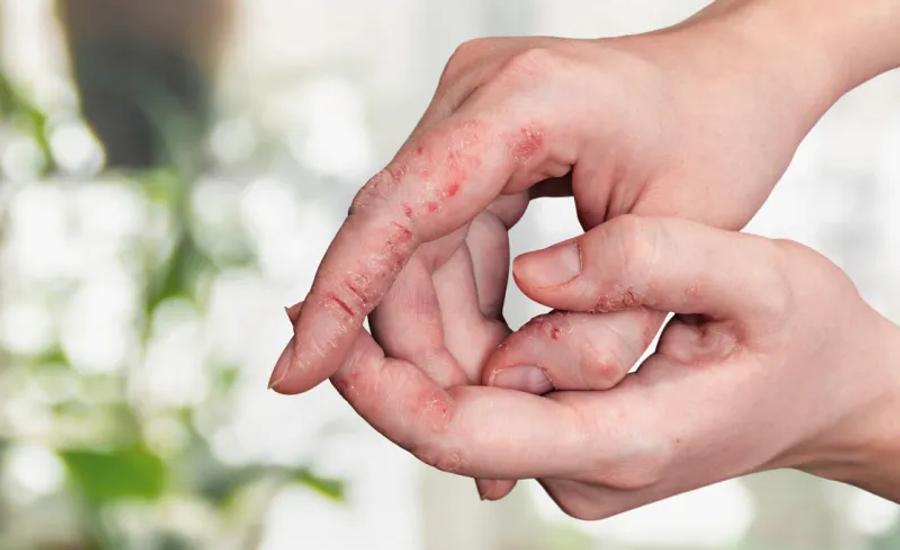
Sun eczema: causes, symptoms and treatment
May 28, 2026
Solar eczema is a form of hypersensitivity reaction in the skin that can affect anyone who spends time in the sun. It is especially common during the first sunny days of spring and during the height of summer. Sun eczema often appears as itchy red spots...
Sun Eczema - Symptoms and Treatment of Sun Allergy | Recetas Medicas
Solar eczema is a form of hypersensitivity reaction in the skin that can affect anyone who spends time in the sun. It is especially common during the first sunny days of spring and during the height of summer. Sun eczema often appears as itchy red dots on the skin. The problems usually disappear by themselves within a few days. Here we go through what solar eczema is, common symptoms, how you can alleviate the problems and what you can do to avoid getting affected.
Fast help within 15 minutes
Do you have eye problems? With us at Recetas Medicas, you can get a quick and easy assessment online, regardless of whether it's about vagus, eyelid inflammation, eye inflammation, dry or red eyes. By answering a few questions and uploading a picture, you can receive a diagnosis and treatment without the need for a video call or a physical visit. We help you with the right care and treatment right away.
What is solar eczema?
Solar eczema is a skin reaction that can occur after exposure to the sun's ultraviolet radiation, mainly UVA and UVB rays. Sometimes the condition is also called sun allergy, but it is technically not an allergy in the traditional sense. Instead, it is a hypersensitivity reaction where the skin reacts to the sun's rays, which can lead to rashes and other skin problems. The problems are most common in spring and early summer when the skin is least adapted to strong sunlight.
Symptoms of sun eczema
Sole eczema manifests itself differently from person to person, but some symptoms are more common than others. The typical signs include:
Red dots or spots on the skin Itching Blisters or bumps that itch very much Red-flamed skin A burning or stinging sensation in the skin
The symptoms tend to appear a few hours or days after sunbathing. The skin on areas that have been exposed to the sun usually shows clear signs of irritation.
Causes of solar eczema
Solar eczema can be caused by several factors, with the sun's ultraviolet radiation being the primary trigger. Fair-skinned people are particularly susceptible because their skin contains less of the protective pigment melanin. Certain medicines and cosmetic products can also increase the skin's sensitivity to the sun and thus contribute to the risk of developing sun eczema.
An increased sensitivity can also be observed in people who have not been exposed to the sun for a long time, for example during the winter months, or when traveling to places with stronger sun than what you are used to.
What happens to the skin in the sun?
When the skin is exposed to the sun's rays, it is affected by the ultraviolet (UV) light, which can lead to both immediate and long-term damage. UVA rays penetrate deep into the skin and contribute to aging and long-term damage such as wrinkles and reduced skin elasticity, while UVB rays mainly affect the outer skin layers and cause sunburn. Both types of UV rays can damage the DNA in the skin cells, increasing the risk of skin cancer.
Is sun eczema worse than burning?
Sunburn is direct damage to the skin that occurs when it is exposed to too much UV radiation, causing the skin to become red, swollen and painful. This type of injury is an acute reaction that usually heals within a few days, although repeated exposure can lead to more serious and long-term damage.
Solar eczema, on the other hand, is not directly linked to the amount of UV radiation that the skin absorbs, but rather a hypersensitivity reaction to the sun's rays. This can mean that even a short time in the sun, which might not cause a sunburn, can trigger solar eczema in some individuals. Solar eczema usually hurts less than severe sunburns, but it can still be more troublesome due to the intense itching and the fact that the symptoms often last longer. In both cases, it is important to protect the skin by using sunscreen with a high SPF, wearing covering clothing and avoiding the sun during the hours when the radiation is strongest.
Prevention and treatment of sun eczema
To reduce the risk of suffering from solar eczema, it is important to protect yourself from the sun:
- Use sunscreen with a high SPF (at least 30) that protects against both UVA and UVB radiation. - Cover the skin with clothes, a hat and sunglasses when staying in the sun for longer periods. - Avoid the sun during the hours when it is strongest, usually between 11 a.m. and 3 p.m. - Gradually acclimate the skin to the sun during the spring to avoid sudden overexposure.
If solar eczema does occur, there are several ways to relieve the symptoms:
- Avoid staying in the sun for a few days to give the skin time to heal. – Cool down the affected area with cold water, cooling balm or a moisturizing cream. - Use over-the-counter medications such as hydrocortisone cream to reduce inflammation and itching. - In severe itching, antihistamines can also be helpful.
It is important not to continue sunbathing if you have developed sun eczema, as this can worsen the condition.
When should I seek care?
Mild cases of sun eczema usually heal on their own. Contact the health center if you have severe symptoms or if the eczema does not go away.
Contact the health center or an on-call clinic immediately if a child has burned in the sun and has blisters on the skin in an area larger than the child's hand.
Frequently asked questions
What does sun eczema look like?
Sun eczema appears as red, sometimes swollen rashes on the skin. You can also get blisters or bumps on the skin and they usually appear on parts of the body that have been exposed to the sun.
Why do you get sun eczema?
Solar eczema occurs as a reaction to the sun's ultraviolet rays, especially when the skin is not used to the sun. Some people are more likely to get sun eczema, such as those with fair skin or those who use certain types of medication that increase sensitivity to the sun.
How to get rid of sun eczema?
Mild sun eczema usually clears up on its own within a few days. To reduce symptoms, one can avoid the sun, apply cooling balms or moisturizing creams, and use anti-inflammatory creams such as hydrocortisone.
Is sun eczema dangerous?
Sun eczema itself is not dangerous, but it can be very uncomfortable and bothersome. It can also be a sign that you haven't applied enough sunscreen. Being in the sun too much increases the risk of skin cancer.
How long do you have sun eczema?
Sole eczema usually clears up on its own within a few days, but this depends on how severe your symptoms are. You may have symptoms for anywhere from a few days to several weeks, especially if you continue to expose your skin to the sun.