Athlete's foot
May 18, 2026
Athlete's foot – causes, symptoms and treatment
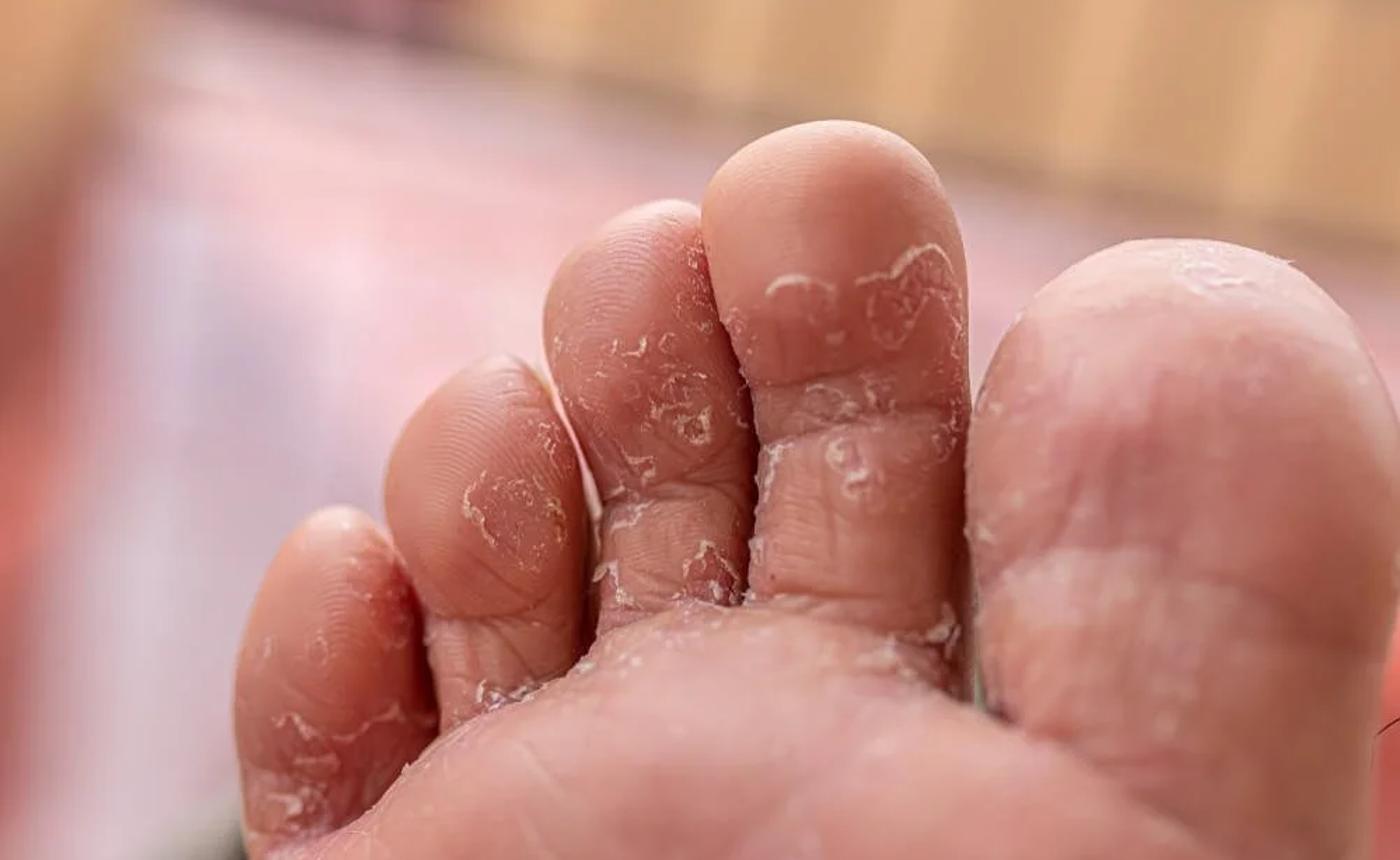
Athlete's foot is a common fungal infection that often affects the skin between the toes. Athlete's foot causes the skin to peel and flake, and it is common to itch or sting. There may also be small cracks in the skin. The fungus thrives in warm, moist environments, and it is common to get infected if you walk barefoot in a locker room, for example. You can treat athlete's foot yourself with over-the-counter medications. In more severe cases, you may need stronger, prescription medications to completely get rid of the fungus.
Start your form now
Get treatment within 15 minutes without video calls or visits
What is athlete's foot?
Athlete's foot is a common skin condition caused by a group of fungi called dermatophytes. The fungus causes an infection in the outermost layer of the skin, causing the skin to produce more cells than normal. This in turn causes the skin in the affected area to thicken and begin to peel.
Athlete's foot is easily transmitted and can be spread through skin flakes that have stuck to, for example, floors, carpets, bedding or other surfaces that come into contact with bare feet. It is most common for the infection to spread in damp and warm environments where people walk barefoot, such as in showers, changing rooms and swimming pools. The fungus can also be spread through direct skin contact or if you share a towel, socks or shoes with someone else. To reduce the risk of spreading or getting athlete's foot, it may be a good idea to use flip-flops in changing rooms and not share personal items.
Symptoms of athlete's foot
Athlete's foot most commonly occurs between two toes, usually the little toe and the toe next to it. Both feet are often affected. You can also get athlete's foot on the side of the foot or underneath it, for example on the heel. The most common symptoms of athlete's foot are:
- Itching and burning, especially between the toes.
- Red, scaly or flaky skin.
- Sometimes cracks or sores may appear in the skin.
- In severe cases, blisters or ulcers may form.
- Dry skin under the sole of the foot or on the side of the foot, often with a red border at the transition to the healthy skin.
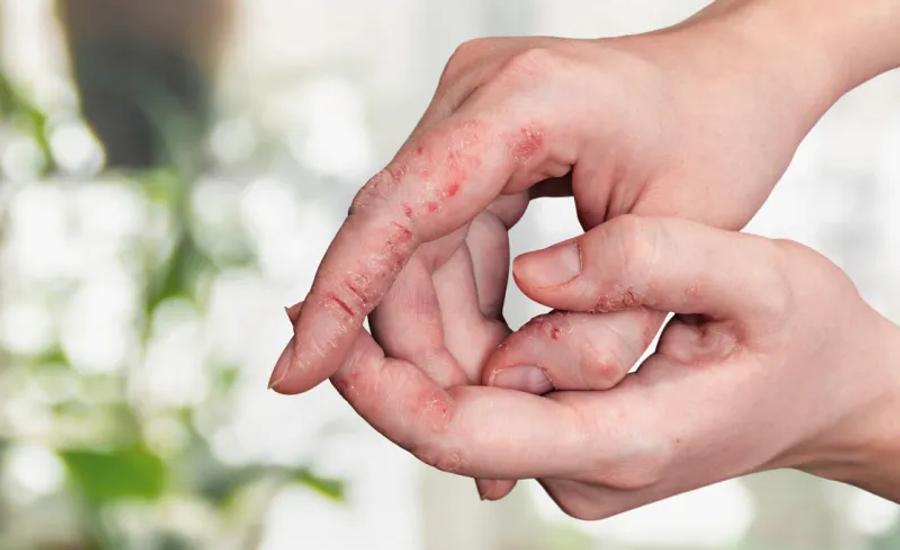
It is common to have recurring problems with athlete's foot. So-called chronic athlete's foot refers to a long-term or recurring infection. This means that the symptoms are persistent and can be more difficult to treat than with a more temporary infection. With chronic athlete's foot, you can get scaly skin that resembles eczema . Athlete's foot can sometimes also spread to the toenails and cause nail fungus. Then the nails become thick, soft and yellowish.
Treatment of athlete's foot
Athlete's foot is effectively treated with over-the-counter medications available at pharmacies, for example in the form of cream, gel, solution or powder. The choice of treatment often depends on your skin; gel is suitable for moist skin while cream is better for dry skin. Some agents are used only once while others require several weeks of use. In the case of very bothersome itching, agents with hydrocortisone can be used. If athlete's foot recurs or is difficult to treat, you may need prescription medication in tablet form. To prevent athlete's foot from recurring, antifungal agents can also be used in shoes and socks.
Preventive measures
You can reduce your risk of developing athlete's foot yourself. Here are some tips on how to prevent fungal infections:
- Keep your feet dry and clean: Fungus thrives in moist environments, so it's important to wash your feet regularly and dry them thoroughly after showering or bathing, especially between your toes. Feel free to walk barefoot at home to air your feet out without shoes or socks.
- Choose breathable shoes and socks: Shoes and socks that allow your feet to breathe reduce the risk of excessive sweating, which can create an environment where fungus can grow. Avoid tight or tight shoes, such as rubber boots.
- Change socks frequently: If your feet get sweaty during the day, change to dry, clean socks. Always change socks after exercising.
- Avoid going barefoot in public places: Wear flip-flops in showers, locker rooms, and swimming pools to protect your feet from coming into contact with fungal spores.
- Wash at 60 degrees: Wash your socks at 60 degrees so that the fungal spores die.
When should you seek medical attention?
Contact a health center if your symptoms do not improve after a few weeks of treatment with over-the-counter medications. Athlete's foot can sometimes be confused with other skin conditions, such as psoriasis or atopic dermatitis . A doctor can confirm that you have a fungal infection and prescribe prescription medications if necessary.
You should also seek medical attention if you have diabetes and develop athlete's foot or if a child under 10 years of age shows symptoms of athlete's foot.
Start your form now
Get treatment within 15 minutes without video calls or visits