Atopic eczema
Feb 27, 2026
Atopic eczema is a long-term inflammatory skin condition that causes dry, itchy and sensitive skin, often in flare-ups.
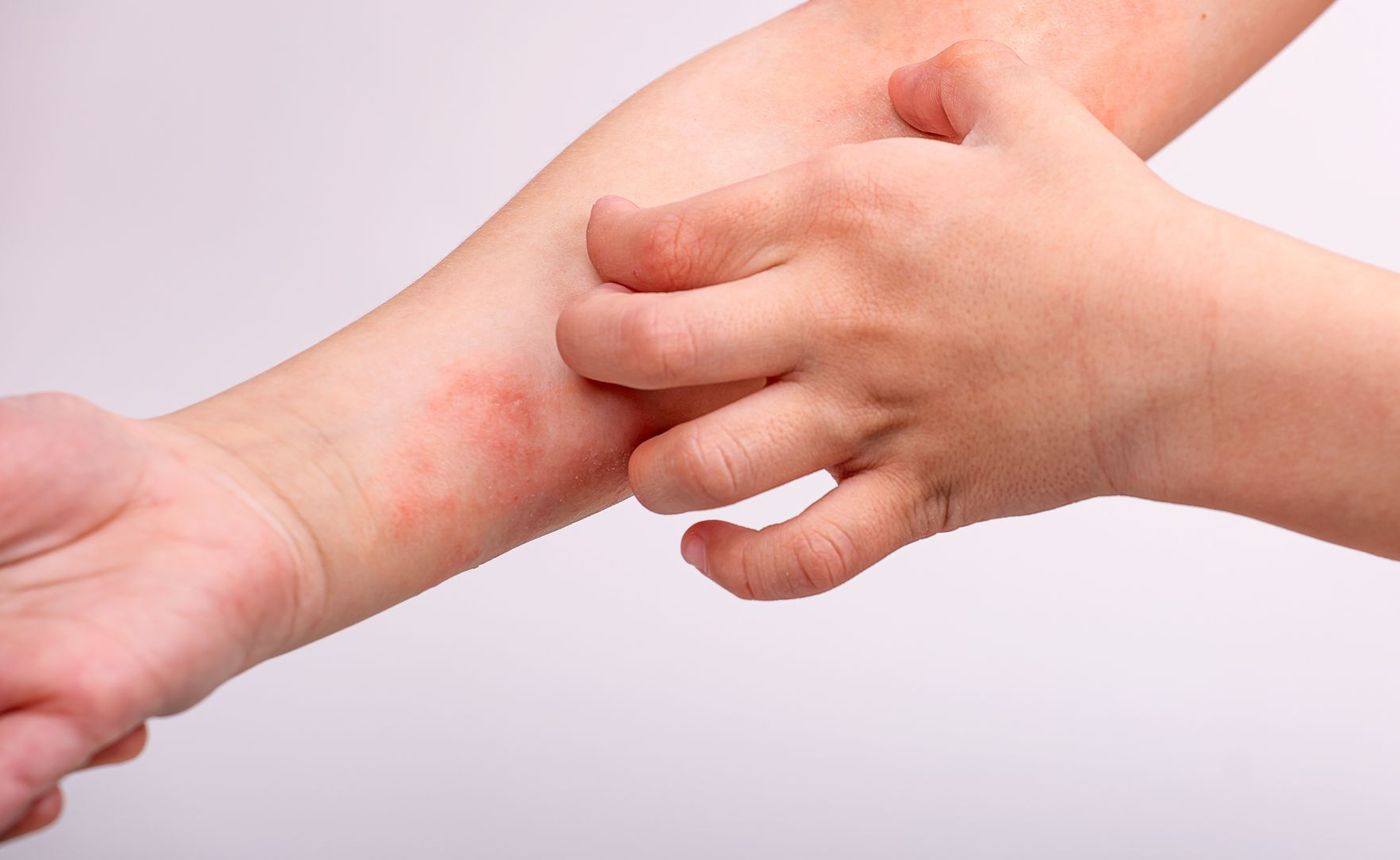
Atopic eczema is a chronic skin disease characterized by dry skin and an itchy rash. The disease is common and can vary in severity. In children, eczema often occurs in the folds where joints bend, which is why atopic eczema is also called flexure eczema. Atopic eczema causes inflammation of the skin that depends on factors such as heredity, environment and the individual's skin flora. The disease cannot be cured, but there are treatments that can relieve the symptoms.
Start your form now
Ready to start you form?
What is atopic eczema?
Atopic eczema (or atopic dermatitis) is a very common skin disease and in Sweden at least 20% of all children are affected. The symptoms usually begin before the age of two, but the disease can also debut later in life. Atopic eczema is characterized by dry, itchy and inflamed skin. The disease is most common in flexural folds, such as the knee creases and arm creases, but can also occur on other parts of the body. The condition varies in severity and can affect both children and adults. Atopic eczema cannot be cured, but for many the symptoms decrease over the years.
Atopic eczema is linked to other atopic symptoms. Atopy is a genetic predisposition to develop allergic reactions and conditions such as asthma, pollen allergy and eczema. It is not uncommon to have problems with several of these symptoms during different periods of life. Children who have parents or siblings who have had atopic eczema, asthma or hay fever are at greater risk of developing the same symptoms.
Symptoms
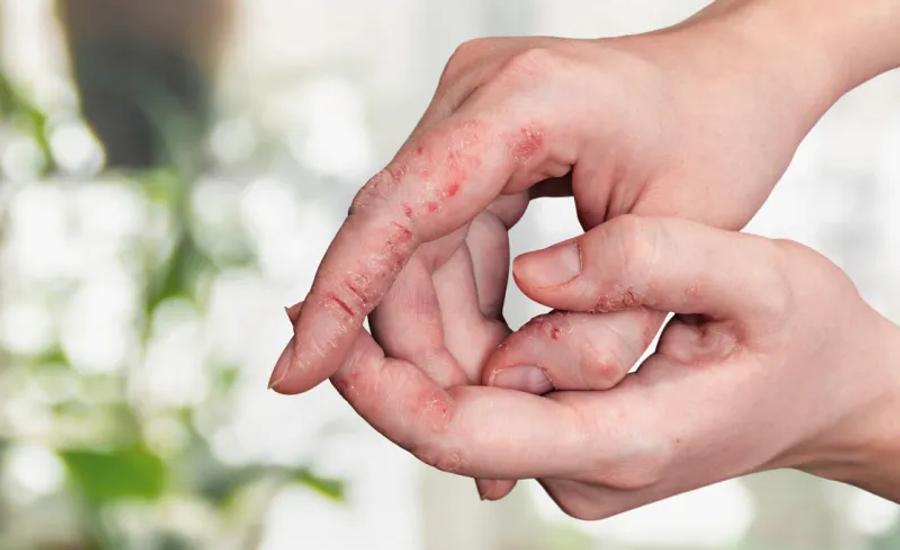
The most common symptoms of atopic dermatitis are dry, itchy skin, redness and inflammation. The rash often appears in the folds of the skin, but can also appear on the face, neck, chest, stomach and hands. In children under two years of age, the first rash usually appears on the cheeks. Adults can also get eczema around the eyes.
In atopic eczema, the skin flakes and you may get small blisters that ooze and form small sores. The itching in atopic eczema can be very intense, especially at night, which can cause you to sleep less well. The skin in areas with eczema can become thick and wrinkled if you have been scratching a lot.
Causes of atopic eczema
Although the exact cause of atopic dermatitis is unknown, research suggests a combination of genetic and environmental factors. The skin's barrier function is often impaired in people with atopic dermatitis, making the skin more vulnerable to irritants and allergens. Environmental factors such as dry air, especially during the Swedish winter, and exposure to irritants can worsen the condition.
Atopic eczema and milk allergy
Atopic eczema and milk allergy can sometimes be linked, especially in young children. It is important for parents of children with atopic eczema to observe if the eczema gets worse after consuming milk products and to discuss this with a doctor for possible investigation and adapted treatment. Other food allergies can also trigger atopic eczema.
Treatment of atopic eczema
Treatment for atopic eczema focuses on moisturizing the skin, relieving symptoms, and reducing inflammation. This is done by using emollient creams and ointments daily to keep the skin soft and prevent dryness. You often need to lubricate the skin several times a day. This can take a lot of time, but is necessary to relieve the symptoms. It is also important to continue lubricating even during periods of less discomfort, to avoid the eczema flaring up again.
Cortisone ointments play an important role in reducing inflammation and itching. For more severe cases, a doctor may recommend stronger treatments, such as medical light therapy or drugs that suppress the immune system's overreaction.
Cortisone ointments play an important role in reducing inflammation and itching.
What can I do myself?
- Keep your skin moisturized – apply moisturizer often and generously, even when you are not experiencing discomfort.
- Use mild skin care products and avoid irritants.
- Identify and avoid triggers that can worsen eczema.
- Dress in loose-fitting clothes made of soft, breathable materials.
- Take shorter showers and preferably don't shower every day unless you have to.
- Avoid taking hot showers or baths, use cooler water instead.
- Keep your nails short so you don't scratch your skin.
- Wash clothes and bedding with gentle, perfume-free detergents.
- Use humidifiers in dry indoor environments.
- Keep the bedroom cool.
Diet, stress and other lifestyle factors
Certain lifestyle changes can also help reduce the symptoms of atopic eczema:
- Diet: Certain foods can worsen symptoms. Milk allergy and other food allergies may be linked to atopic dermatitis. Try eliminating foods that you suspect are worsening your eczema.
- Stress: Your eczema can get worse if you are stressed. Find ways to manage and reduce stress. What works may vary from person to person.
- Sleep: Itching and discomfort can disrupt sleep, which in turn can worsen eczema. If it itches a lot at night, you can use cotton gloves when you sleep.
- Alcohol: Your eczema may get worse if you drink a lot of alcohol.
Alternative explanations
Atopic eczema is a complex skin condition that requires an individualized treatment plan. By combining medical treatment with lifestyle changes and good skin care, the symptoms of the condition can often be reduced.
The signs and symptoms of atopic eczema are similar to those of many other types of eczema . You can also get a rash for reasons other than eczema, such as viral infections, allergies, and fungi. Contact a doctor for an evaluation if you get a rash that you don't know the cause of.
Start your form now
Ready to start you form?