Eczema
May 18, 2026
Eczema: symptoms, diagnosis and treatment
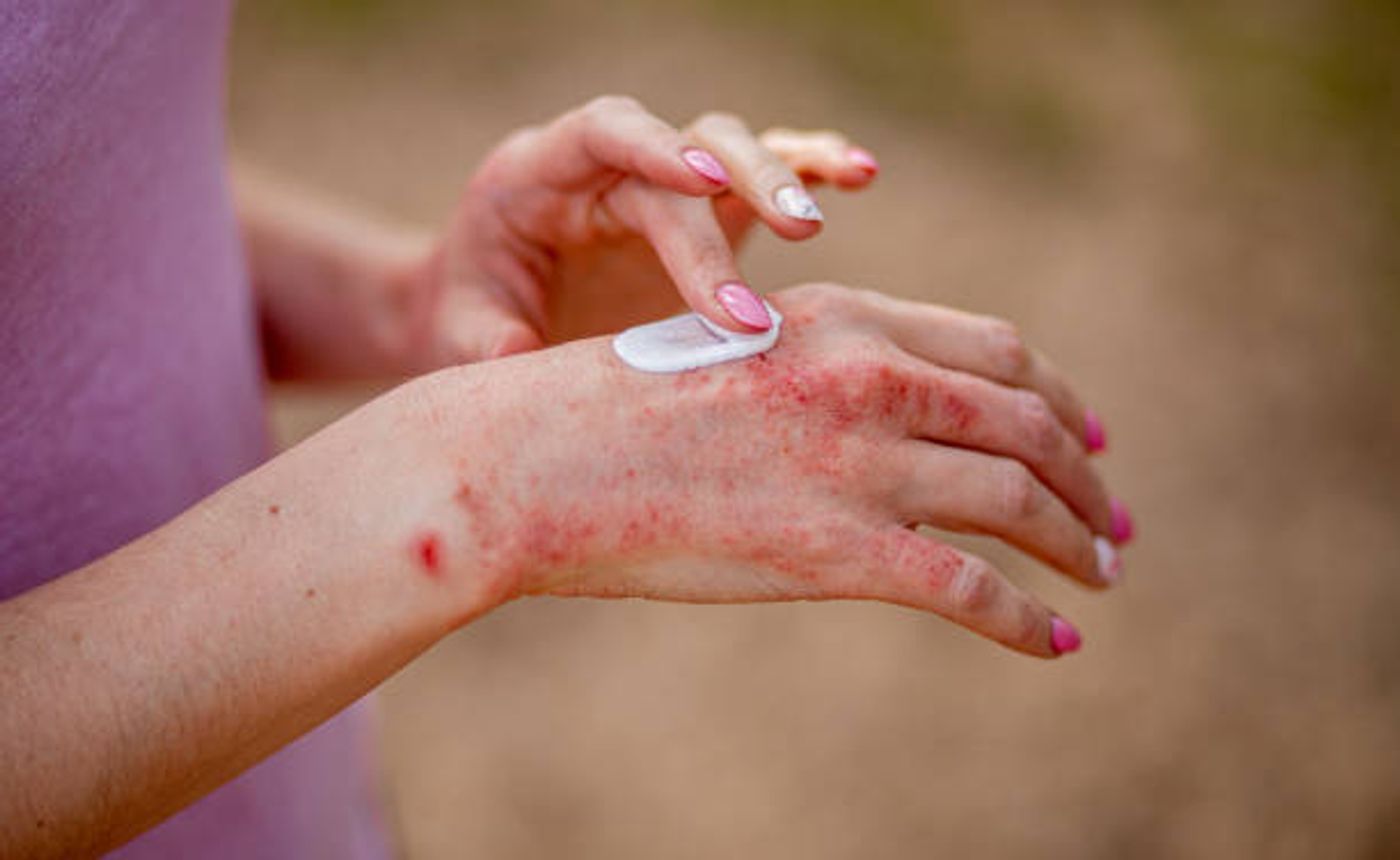
Eczema is a common skin condition caused by inflammation of the skin. There are different types of eczema and the symptoms vary, but the most common are dry skin, itching and rashes. Eczema can affect both children and adults, and most people get eczema at some point in their lives. Eczema is not contagious and the symptoms can be relieved with the right treatment.
Start your form now
Get treatment within 15 minutes without video calls or visits
What is eczema?
Eczema is a collective name for various skin conditions caused by inflammation of the skin. In eczema, the outermost layer of the skin is damaged, which leads to a number of different problems. The skin becomes dry and flaky because it cannot retain moisture in the same way. The skin also becomes more sensitive and can be easily irritated by things like chemicals, soaps and perfumes. When the skin barrier does not work properly, the risk of getting infections also increases, because bacteria and viruses can penetrate more easily.
Symptoms of eczema
Eczema can occur anywhere on the body, and symptoms can vary in severity. Here are some of the most common symptoms of eczema:
- Itching: The most prominent and often first symptom of eczema is intense itching, which can be very bothersome. Scratching the inflamed area can lead to further skin irritation or infection.
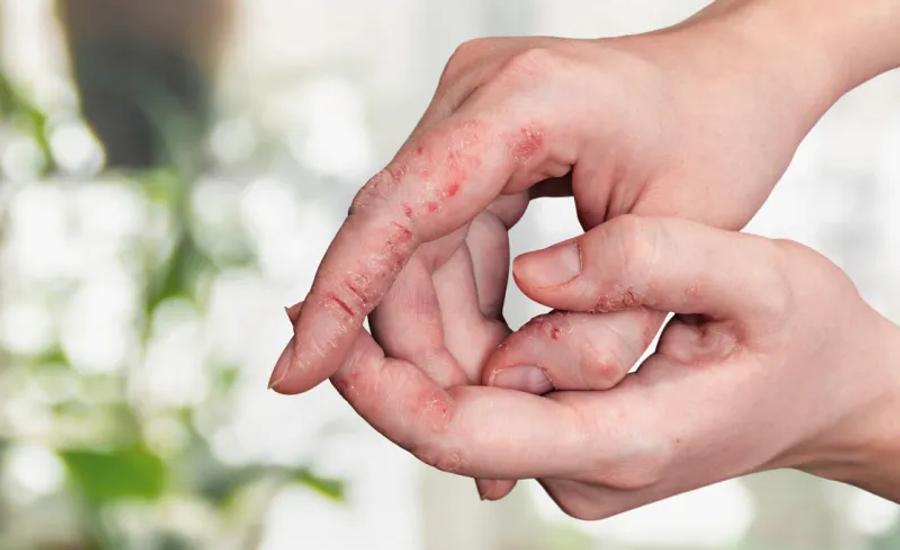
- Dry and flaky skin: Eczema often leads to dry skin that flakes or feels rough and rough. Cracks can form in the skin that sting and hurt.
- Redness and rash: The inflamed area of skin becomes red and sometimes swollen. You may also get a rash that can vary in appearance and be red, brown, purple, or gray depending on your skin tone.
- Fluid-filled blisters: In some forms of eczema, spots and small blisters can appear. The blisters can burst and ooze fluid. This causes small sores and scabs to form on the inflamed area.
- Periodic outbreaks: Eczema can be more or less bothersome at times. Some people may have long symptom-free periods while others have more frequent outbreaks.
Other causes of skin rashes
It can be difficult to tell the difference between eczema and other skin rashes on your own . Rashes can be caused by many different things, such as allergic reactions, infections, medications, or stress, and they can manifest themselves in different ways. Contact your healthcare provider if you don't know what caused a rash or if you are worried. A doctor can make an accurate diagnosis and suggest appropriate treatment.
Different types of eczema
There are several types of eczema. They can occur in different places on the body and the symptoms can differ between the different types.
There are several types of eczema. They can occur in different places on the body and the symptoms can differ between the different types.
- Atopic eczema : Also called flexure eczema because it often occurs in the folds where joints bend. Atopic eczema is characterized by dry, itchy and reddened skin. The cause of atopic eczema is inflammation of the skin, which is partly hereditary. The symptoms often begin before the age of two and usually persist throughout life to varying degrees.
- Contact dermatitis : Contact dermatitis occurs when the skin reacts to a specific substance, such as soap, perfume, rubber, or nickel. Contact dermatitis can be caused by an allergy, but there is also non-allergic contact dermatitis. Symptoms include redness, itching, and sometimes blistering where the skin has come into contact with the allergen or irritant.
- Dandruff (seborrheic dermatitis): Dandruff is caused by a fungus. It often affects the scalp, but can also occur on the face and other areas where there are many sebaceous glands. Dandruff causes the skin to become red and scaly. Stress can make the eczema worse. Young children can get a special type of dandruff called scabies.
- Dyshidrotic eczema (pompholyx): This condition is characterized by small, itchy, fluid-filled blisters on the palms of the hands, the sides of the fingers, or the soles of the feet. As the blisters heal, the skin peels off. The condition often comes on suddenly and can recur in flare-ups, usually in the summer or when the climate is hot and humid.
- Nummular eczema: Also called coin eczema because it causes distinctive, coin-shaped patches on the skin. Nummular eczema most often occurs on the arms and legs and is most common in older men.
- Sunburn: Sunburn is a skin reaction that occurs as a result of exposure to the sun's ultraviolet rays. It is characterized by small red bumps or blisters that are very itchy. They appear on areas that have been exposed to the sun, often within a few hours of sunbathing. Sunburn is more common in people with fair skin and can recur every year, especially during the spring and early summer.
- Lower leg eczema: Lower leg eczema is common in older people and occurs due to poor blood circulation in the legs. It is characterized by red and slightly scaly rashes on the lower legs, and often occurs in conjunction with varicose veins or leg ulcers.
Treatment of eczema
Treatment for eczema focuses primarily on reducing inflammation, relieving itching, and preventing future outbreaks. There are different types of medications that can help relieve symptoms:
- Emollient creams: When you have eczema, it's important to keep your skin soft and moisturized. Apply often and generously, even during periods when your eczema is better, to prevent new outbreaks.
- Cortisone ointments or creams: Cortisone is a substance that helps reduce inflammation and itching in the skin. Cortisone comes in different strengths, and the milder varieties can be purchased over the counter at a pharmacy. Doctors can prescribe stronger varieties.
- Immunosuppressant creams and tablets: Immunosuppressant drugs work by calming the skin's immune system. Creams can be a good option for people who can't or don't want to use cortisone ointments, especially on sensitive skin areas like the face. If you have severe eczema and no other treatment works, you can get tablets prescribed by dermatologists.
- Light therapy: Sunlight can help relieve eczema symptoms. Medical light therapy can be performed in some hospitals to help soothe eczema.
Each person's eczema is different, so it's important to consult a doctor to find the best treatment.
Self-care and preventive measures
There are several things you can do yourself to relieve the symptoms of eczema. Here are some tips:
- Keep your skin moisturized: Use emollients regularly, preferably right after you shower or bathe to lock in moisture. Choose a thick, unscented cream or ointment.
- Use gentle skin care products: Choose mild, unscented soaps and skin care products. Avoid products that contain alcohol, perfume, or dyes that can irritate the skin.
- Try not to scratch: Itching can worsen eczema and lead to infections. Keep your nails short and consider wearing cotton gloves at night if you scratch in your sleep.
- Dress loosely: Wear loose-fitting clothing made from soft fabrics like cotton. Avoid coarse materials like wool and synthetics, especially next to the skin.
- Cool indoor environment: Heating up the air dries out the air, and dry air can make the symptoms worse. Try to maintain a consistent, cool temperature indoors.
- Avoid triggers: Use unscented laundry detergent and wash new clothes before use to get rid of any chemicals. If a particular substance triggers your eczema, such as nickel or dish soap, you should avoid it completely.
- Water dries out: Water dries out your skin. Take short, cool showers or baths and don't wash every day unless you have to.
Remember that this is general advice and what works may vary from person to person. If your eczema is severe or not improving, it is important to contact a doctor for advice and treatment.
Start your form now
Get treatment within 15 minutes without video calls or visits