Autumn blisters - causes, symptoms and treatment
May 28, 2026
Autumn blisters is a viral infection that most often affects children under 10 years of age. The condition is characterized by small, painful blisters, mainly in the mouth but sometimes also on other parts of the body. Here we go through common symptoms of autumn blisters, how...
Autumn Blisters - Symptoms and Treatment | Recetas Medicas
Autumn blisters is a viral infection that most often affects children under 10 years of age. The condition is characterized by small, painful blisters, mainly in the mouth but sometimes also on other parts of the body. Here we go through common symptoms of autumn blisters, how it is contagious and how to treat the disease.
What are autumn blisters?
Autumn blisters is an infectious disease that is most common in children, but adults can also be affected. The disease is caused by a virus and occurs mostly in late summer and early autumn, which gave rise to the name. It is not unusual for the disease to spread in preschools and schools in connection with the start of school after the summer holidays.
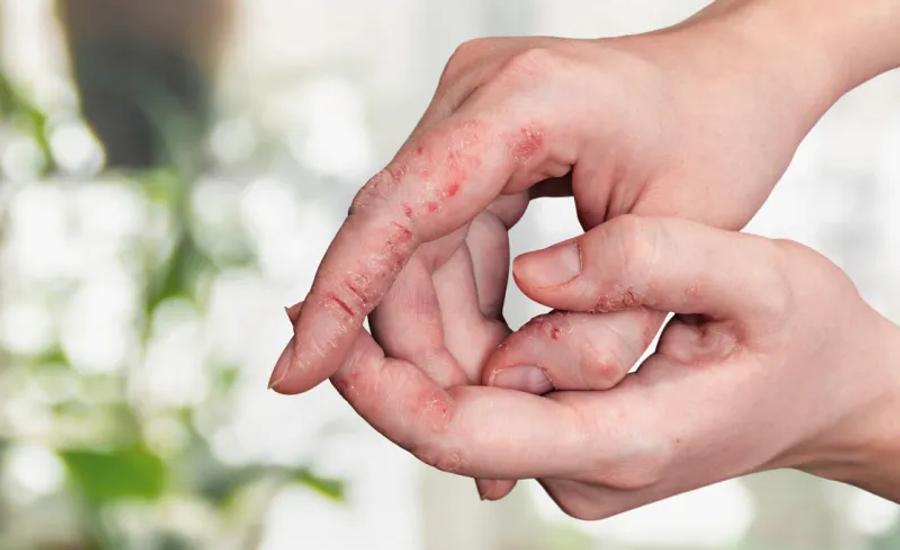
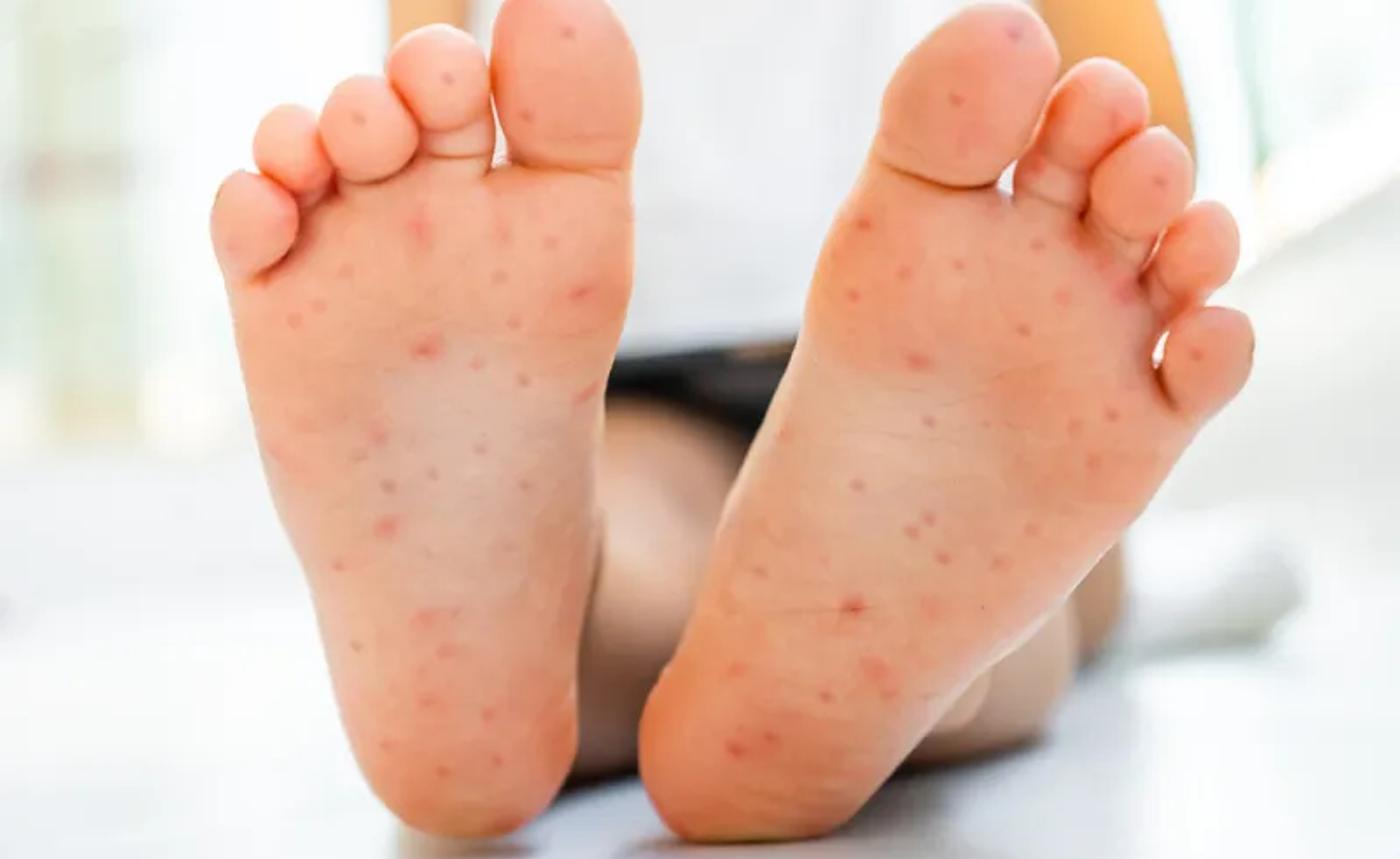
Autumn blisters are sometimes also called hand, foot and mouth disease. Typical signs of the disease are fever, sore throat and small blisters in and around the mouth. You can also get blisters and rashes on other parts of the body, especially the hands and feet. Although autumn blisters can be uncomfortable, they are usually a mild condition that resolves on their own within a week or two. Most people only get autumn blisters once. If you get the disease again, the symptoms usually become milder.
Symptoms of autumn blisters
Autumn blisters usually start with fever, sore throat and general malaise. Within a few days, small blisters develop in and around the mouth. The blisters can feel uncomfortable and hurt, and it can be difficult to eat and drink. There may also be rashes or blisters on the hands, feet, buttocks, arms and legs. Before the blisters develop, they may look like small red dots or sores.
The blisters in the mouth can resemble canker sores, which are another type of painful mouth sores that often occur with infections. Canker sores can also cause blisters in and around the mouth.
How and for how long are autumn blisters contagious?
Autumn blisters are highly contagious, especially in the first few days. The incubation period for autumn blisters is three to seven days, and you can spread infection even before you yourself have noticed any symptoms.
Autumn blisters are spread through close contact with an infected person, but also indirectly through contact with objects that the infected person has touched. It is very difficult to prevent infection because the disease has often already spread further when the first symptoms appear. Contagiousness is at its greatest just before and during the time that the blisters form.
Should children with autumn blisters stay home from preschool?
The child's general state of health and ability to participate in the usual activities at preschool or school determine whether the child should stay at home or not. This is because the infection has often already spread to other children before the first symptoms of autumn blisters have appeared. Therefore, it can be difficult to prevent further spread of the virus simply by keeping children with autumn blisters at home. If the child feels well enough to participate in daily activities, and has no fever or other signs that they are unwell, they can go to preschool or school despite their autumn blisters.
Autumn blisters as an adult
Cold sores in adults differ from cold sores in children in several ways, although the symptoms may be similar. In children, autumn blisters are usually more pronounced with clear symptoms such as fever, blisters in the mouth and rashes on the hands and feet. Children tend to experience more discomfort, especially because of the painful blisters in the mouth that can make eating and drinking difficult.
In adults, symptoms may be milder or even non-existent. Adults with symptoms may experience general malaise, fever and sore throat, but blisters and rashes are usually less prominent than in children.
Although the symptoms and severity may differ between children and adults, the same virus causes the disease and the ways it spreads are the same regardless of age. This means that adults, just like children, can transmit the virus to others even if they have mild symptoms or no symptoms at all. Even if children are allowed to go to preschool, you should think about good hand hygiene and avoid close contact with others if you know you are infected, regardless of age.
Treatment of autumn blisters
There is no specific treatment for autumn blisters, as it is a viral disease and the body's immune system must fight the virus on its own. The problems usually go away within a week.
If you have a lot of discomfort, you can try one of the following methods of pain relief:
- Eat cold foods: It may be easier to eat something cold if your mouth or throat hurts, such as yogurt, ice cream, or cold drinks.
- Avoid certain foods: Spicy, salty or acidic foods and drinks can further irritate the blisters.
- Pain relief: Over-the-counter pain relievers and antipyretic drugs can be used if you or your child are in serious trouble.
- Drink plenty: Getting plenty of fluids is important, especially if swallowing is difficult due to blisters in the mouth.
When should I seek care?
It is usually not necessary to seek care for autumn blisters, as the condition is in most cases mild and goes away by itself.
Contact a health center if you or your child has autumn blisters and the symptoms do not improve within ten days. You should also contact healthcare if your child has difficulty ingesting fluids or if you or your child has a fever for more than three days.